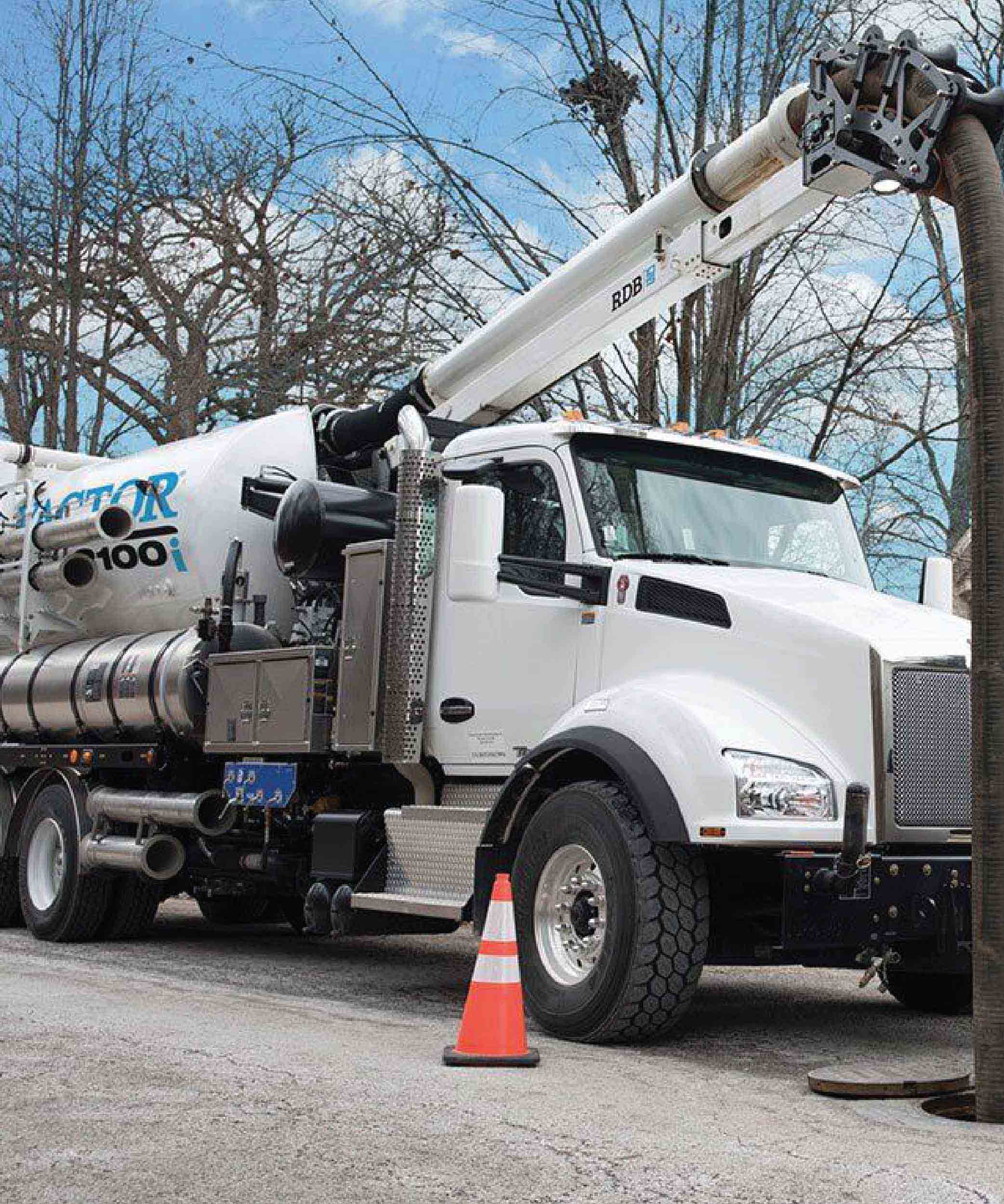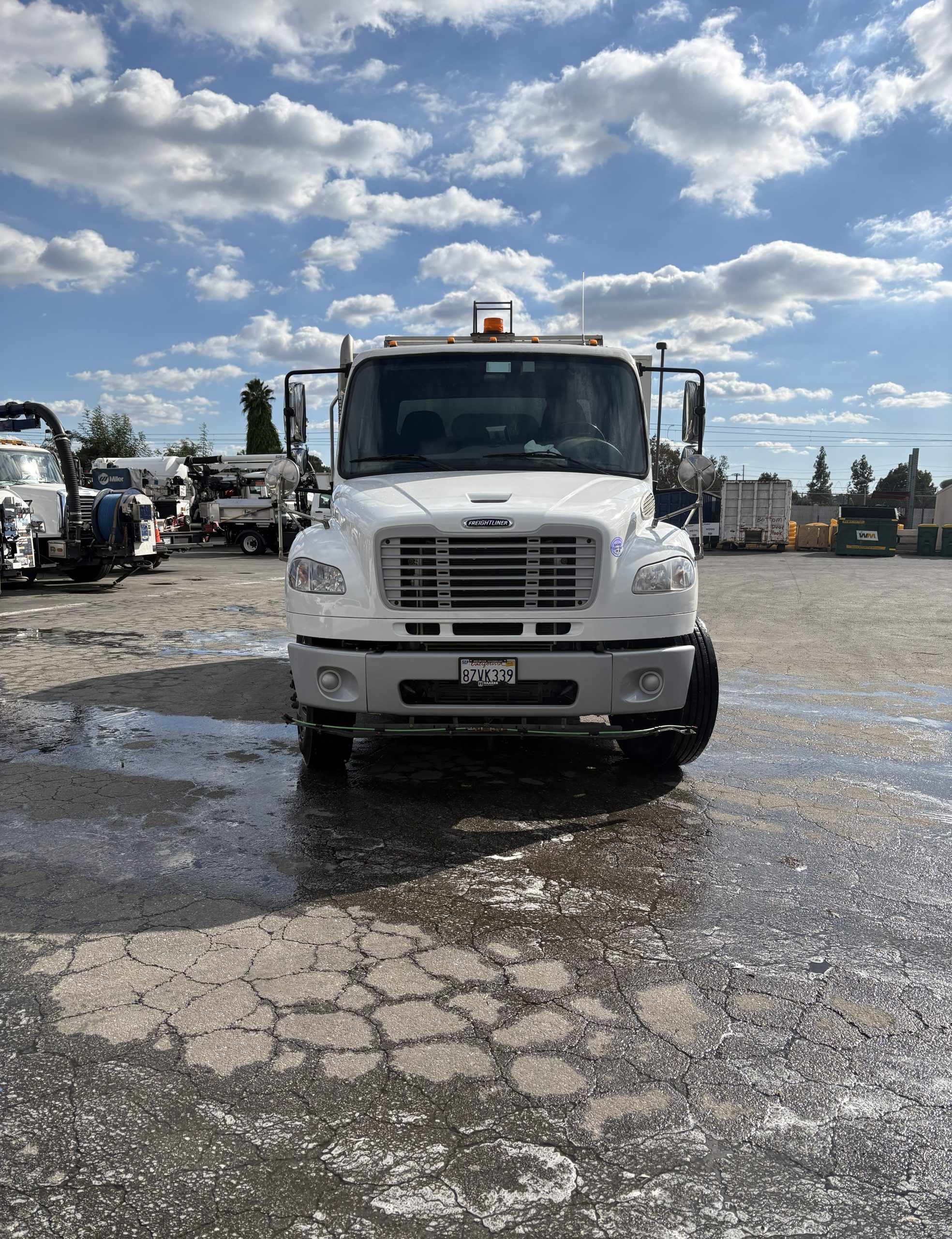
Digging near buried utilities is one of the riskiest things a crew does all day. One wrong scoop with a backhoe can hit a gas line, a fiber bundle, or a water main, and the cost shows up fast in repairs, fines, downtime, and injuries. Hydro-excavation trucks solve that problem by digging with pressurized water and a powerful vacuum instead of steel teeth. The result is a clean, precise hole that exposes utilities without damaging them. This guide explains how hydro-excavation works, where it makes sense, the main truck types, and how to pick the right unit for your crew.
What is hydro-excavation? Hydro-excavation is a non-destructive digging method that uses pressurized water to break up soil and an industrial vacuum to remove the slurry. It exposes buried utilities safely, with far less risk of strikes than mechanical digging, which is why it is the standard for potholing and daylighting.
How Does Hydro-Excavation Work?
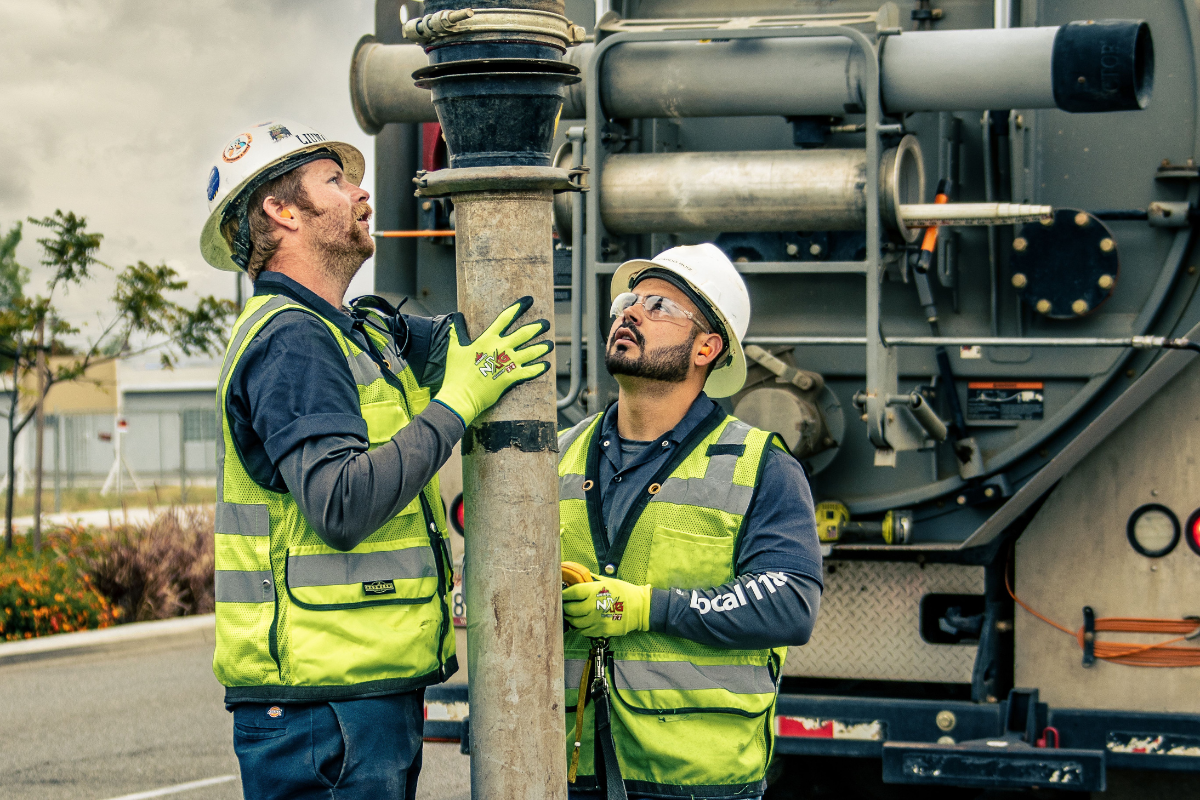
The process is simple in concept. A high-pressure water system cuts and loosens the soil, and a strong vacuum lifts the wet spoil into a holding tank called a debris body. The operator controls both from a boom or a handheld wand, so the dig stays precise and the crew stays back from the hole.
The basic steps
A typical dig follows the same pattern every time. The operator aims the water wand at the soil and breaks it into a slurry. The vacuum pulls that slurry up through a hose and into the debris tank. When the tank is full, the crew offloads the material at an approved site. Because nothing sharp ever touches the buried line, the utility comes out clean and intact.
Hydro excavation vs air excavation
Most vacuum excavation trucks dig with water, but some use compressed air instead. Air excavation keeps the spoil dry, so it can be backfilled right into the hole. That is handy in dry, sandy soil and around sensitive cable. Water cuts faster in hard or clay soil and handles bigger jobs, but it creates wet slurry you have to haul off. Many crews keep both options. The Ring-O-Matic Air Equipped line is built for air excavation work, while most TRUVAC and Ring-O-Matic units run water.
Why Crews Are Switching to Vacuum Excavation
Hydro-excavation is not just a safety tool. It saves money and time across the whole job. Here is why utilities, municipalities, and contractors keep adding these trucks to their fleets.
It prevents utility strikes. Water and vacuum cannot shear a pipe or cable the way a bucket can. That protects your crew, your budget, and the public. It also keeps you on the right side of one-call and damage-prevention rules. Crews should still call 811 before any dig, and the Common Ground Alliance reports that excavation damage to buried utilities remains a leading and costly cause of underground incidents, which is exactly what non-destructive digging is designed to prevent.
It digs precise holes. Potholing (also called daylighting) means exposing a utility at a specific spot to confirm its depth and location. Hydro-excavation cuts a tight, clean hole exactly where you need it, with very little surface damage to restore later.
It works in tight and frozen ground. A water system cuts through hard-packed, rocky, or frozen soil that would slow a mechanical dig. It also reaches into spots a backhoe cannot, like around a cluster of existing lines.
It lowers restoration costs. Smaller, cleaner holes mean less pavement and landscaping to repair. On a busy municipal schedule, that adds up across the year.
The Main Types of Hydro-Excavation Trucks
Vacuum excavators come in several formats, from heavy truck-mounted units down to compact machines that ride in a pickup bed. The right one depends on your job size, your access, and how much spoil you move in a day. Haaker carries both TRUVAC and Ring-O-Matic across all of these formats.
Truck-mounted units
These are the workhorses for big daily volume. A truck-mounted unit carries large water and debris tanks, so the crew spends more time digging and less time refilling and offloading. The TRUVAC HXX is built for the toughest, largest jobs, while the TRUVAC APXX is the heavy-duty peak performer. If you run utility, municipal, or pipeline work every day, a truck-mounted unit is usually the answer.

Compact and versatile units
Not every job needs a full-size truck. The TRUVAC Paradigm is a smaller, highly versatile vac truck that is easier to maneuver on tight streets and job sites while still handling real production work. Compact units are a strong fit for crews that move between many small dig sites in a day.

Trailer, skid, and one-person units
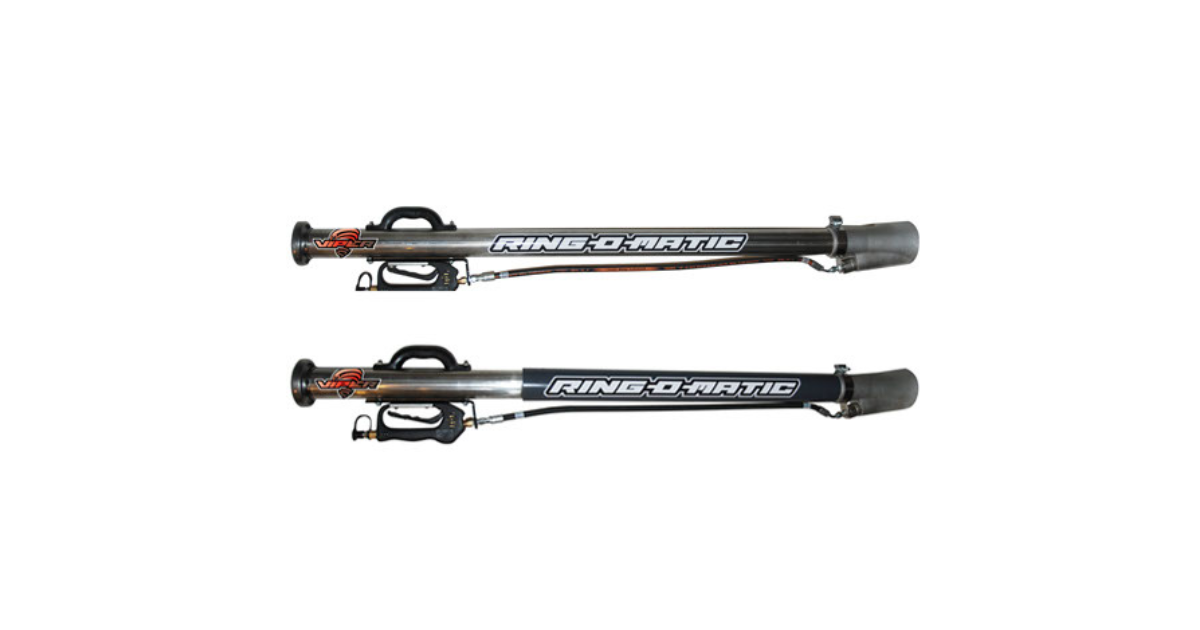
For the smallest jobs and the tightest access, trailer and skid units shine. The Ring-O-Matic Viper is built for fast, efficient, one-person potholing with little to no cleanup. The Ring-O-Matic FT150VX puts a 600 CFM blower in a compact package that fits a standard pickup bed, flatbed, or trailer. These are ideal for locating crews, electricians, and contractors who need vacuum excavation without committing to a large truck.
Truck type comparison
| Format | Best for | Mobility | Example models |
|---|---|---|---|
| Truck-mounted | High daily volume, large jobs | Lower, needs CDL driver | TRUVAC HXX, TRUVAC APXX |
| Compact vac truck | Mixed jobs, tighter sites | Good | TRUVAC Paradigm, TRUVAC FLXX |
| Trailer / skid | Small jobs, flexible deployment | High, tow or mount anywhere | TRUVAC TRXX, Ring-O-Matic 1300V |
| Pickup-bed / one-person | Potholing, locating, light cleanup | Highest | Ring-O-Matic Viper, FT150VX |
How to Match the Machine to the Job
Use this quick framework to narrow your choice before you request a demo.
- If you run daily, high-volume utility or municipal work, choose a truck-mounted unit like the TRUVAC HXX or APXX for tank capacity and uptime.
- If you move between many small dig sites, choose a compact vac truck like the TRUVAC Paradigm for maneuverability with real production.
- If your crew mostly potholes or daylights single utilities, choose a one-person unit like the Ring-O-Matic Viper to cut labor and cleanup.
- If access is tight or you want to deploy from a pickup, choose a trailer or pickup-bed unit like the Ring-O-Matic FT150VX.
- If you dig in dry, sandy soil or around sensitive cable, add an air excavation option so you can backfill dry spoil.
- If you handle environmental cleanup or deep sediment pits, look at higher-capacity Ring-O-Matic units built for those tasks.
Buy, Rent, or Buy Used?
You do not have to buy new to put a vacuum excavator to work. If you have a short project or want to test a format before you commit, renting is the low-risk path. Haaker offers equipment rentals on daily, weekly, and monthly terms. If you want to own but need to control cost, used hydro-excavation trucks give you a proven machine at a lower price point. For crews with steady, growing workloads, buying new gives you the latest safety features, full warranty, and the longest service life. A Haaker rep can model the cost of each path against haaker.com/rent-equipment your real schedule.
Frequently Asked Questions
What is hydro-excavation used for?
Hydro-excavation is used for potholing and daylighting utilities, slot trenching, debris and sediment removal, cleaning around buried lines, and any dig where hitting a utility would be dangerous or costly. It is common in municipal, utility, pipeline, and contractor work.
Is hydro-excavation better than traditional digging?
For work near buried utilities, yes. Hydro-excavation cannot shear a pipe or cable the way a backhoe bucket can, so it greatly reduces strikes, injuries, and repair costs. Mechanical digging is still faster for large open excavations with no utilities present.
What is the difference between hydro and air excavation?
Hydro excavation uses pressurized water and creates wet slurry you haul off. Air excavation uses compressed air and keeps spoil dry so it can be backfilled. Water cuts faster in hard or clay soil, while air is preferred in dry, sandy ground and around sensitive cable.
Do you need a CDL to operate a hydro-excavation truck?
Full-size truck-mounted units typically require a Class B CDL to drive. Smaller trailer, skid, and pickup-bed units often do not, since they are towed or mounted on a standard vehicle. Always confirm the gross weight and your state requirements before operating.
Can I rent a hydro-excavation truck instead of buying?
Yes. Haaker Equipment Company rents hydro-excavation trucks on daily, weekly, and monthly terms. Renting is a smart way to cover a short project or to test a format and capacity in your real operating conditions before you purchase.
The Bottom Line
Hydro-excavation trucks let your crew dig fast and stay safe around the utilities that make a strike so expensive. Match the format to the work: truck-mounted for daily volume, compact for tight and mixed sites, and one-person units for potholing. Decide whether water, air, or both fit your soil and your spoil-handling. Then choose to rent, buy used, or buy new based on how steady your workload is. Get those three calls right and a vacuum excavator pays for itself in avoided strikes and faster jobs.
Why Order Your Hydro-Excavation Truck From Haaker Equipment Company
Haaker Equipment Company has served municipal, industrial, and contractor crews across California, Nevada, and Arizona since 1972, with seven locations and factory-trained service behind every machine. We carry the full TRUVAC and Ring-O-Matic hydro-excavation lineup, from one-person potholing units to heavy truck-mounted excavators, plus the parts, rentals, and support to keep them productive. Nobody works harder for you.
Ready to find the right vacuum excavator for your crew? Explore our hydro-excavation trucks, call us at 909-598-2706, or contact Haaker Equipment to schedule a free demo at one of our seven locations.