Choosing the right pothole repair method decides whether a patch lasts one rainy season or several years. Crews have more options than the old shovel of cold mix, and each method trades speed, cost, durability, and equipment differently. The wrong choice wastes labor and material on repairs that fail fast, while the right one keeps roads safe and holds your budget in check. This guide compares the main pothole repair methods, from quick cold patch to spray injection, hot mix, and infrared, and explains which equipment fits each approach so your agency or crew can match the method to the road, the season, and the traffic.
The main pothole repair methods are throw and go cold patch, spray injection patching, hot mix repair with a hot box or patch truck, and infrared repair. Cold patch is fastest and least durable, while hot mix and infrared repairs last longer. The best method depends on road type, traffic, weather, and how permanent the fix must be.

Why the pothole repair method matters
A pothole is a symptom of water and traffic breaking down the pavement. If a repair does not bond to the surrounding asphalt and seal out water, the same failure returns, often worse. The method you choose sets the durability of the patch, the crew size and time per hole, and the equipment you need on the truck. Picking a method that matches the situation is how you avoid repeat visits to the same pothole.
Temporary versus permanent repairs
Some methods are meant to be fast and temporary, buying time until a permanent fix or a full resurfacing. Others are built to last for years. Neither is wrong. The mistake is using a temporary method where you needed a permanent one, or spending permanent method time and money on a road scheduled for repaving.
The main pothole repair methods
Throw and go cold patch
Crews shovel cold mix asphalt into the hole and compact it with a truck tire or hand tamper. It is fast, needs little equipment, and works in cold or wet weather, which makes it the go to for emergency winter repairs. The tradeoff is durability, since cold patch does not bond as well and often fails within months.
Throw and roll and semi permanent
A refined version cleans loose debris from the hole first, fills it, and compacts in lifts. Cleaning and proper compaction meaningfully extend patch life over a careless throw and go, with only a little more time per hole.
Spray injection patching
A spray injection unit blows debris and water out of the hole, sprays a tack coat, then injects asphalt emulsion mixed with aggregate under air pressure. The crew often never leaves the truck. It bonds well, seals the hole, and is efficient for many holes per shift, though it needs a dedicated spray patch machine.
Hot mix repair with a hot box or patch truck
Hot mix asphalt is the same material used to build the road, so a properly placed hot mix patch is the most durable option. A hot box or asphalt patch truck keeps the mix hot and workable all shift, which is the key to a lasting hot mix repair. Crews clean the hole, square the edges when possible, place the hot mix, and compact it.
Infrared repair
Infrared equipment reheats the existing pavement around the pothole, then crews rake in new hot mix and compact it. Because the new and old asphalt fuse into a seamless, joint free repair, infrared can produce a durable patch with fewer weak edges, best suited to milder weather and defined damage.
| Method | Relative durability | Speed | Weather | Equipment |
|---|---|---|---|---|
| Throw and go cold patch | Low, often temporary | Very fast | Works cold and wet | Cold mix, tamper |
| Throw and roll semi permanent | Low to moderate | Fast | Most conditions | Cold mix, compactor |
| Spray injection | Moderate to high | Fast, many holes per shift | Dry preferred | Spray patch machine |
| Hot mix with hot box or patch truck | High | Moderate | Dry, mild to warm | Hot box, patch truck |
| Infrared repair | High, seamless | Moderate | Mild preferred | Infrared heater, hot mix |
(Durability rankings are general. Actual patch life depends on preparation, compaction, drainage, and traffic. Verify longevity claims and any material specifications against manufacturer data and your agency standards before you rely on them.)
Matching equipment to the method
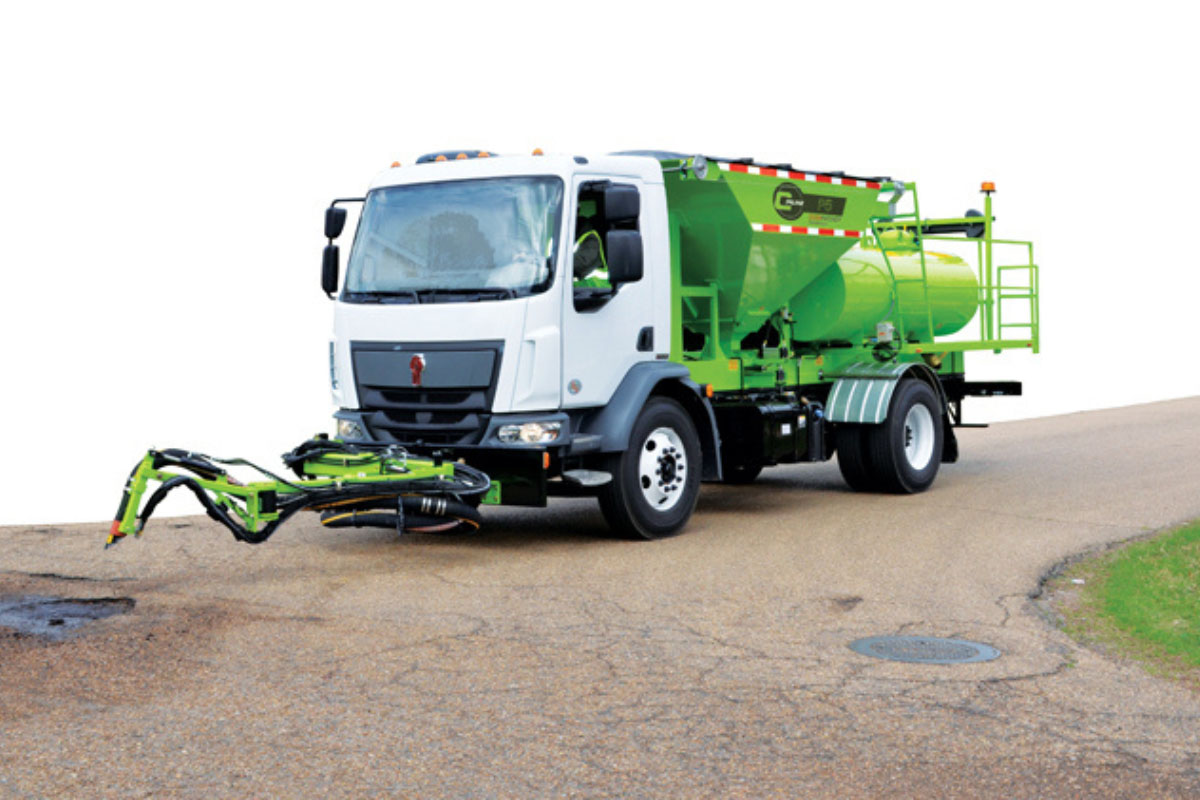
The method you choose determines the equipment you need, and the equipment often determines how many quality repairs you can complete per shift.
Hot boxes and asphalt patch trucks
For durable hot mix repairs, a hot box trailer or an asphalt patch truck keeps mix at working temperature so the last patch of the day is as good as the first. Some patch trucks are built as no CDL models, which widens the pool of operators who can run them. (Confirm current no CDL weight limits and licensing rules for your state before you buy.)
Crack sealing and pavement maintenance
Potholes often start as unsealed cracks that let water into the base. Pairing pothole repair with a crack sealing program stops many potholes before they form, which is why many agencies run both together.
How to choose the right pothole repair method
- If you are making emergency repairs in winter or wet weather, use cold patch to keep roads safe, then return for a permanent fix.
- If you need many repairs per shift with a small crew, spray injection is efficient and bonds well.
- If you want the most durable patch on a road that will stay in service, use hot mix with a hot box or patch truck.
- If the damage is defined and the weather is mild, infrared gives a seamless, long lasting repair.
- If potholes keep returning, add a crack sealing program to stop water before it undermines the pavement.
Frequently asked questions
What is the most durable pothole repair method?
Hot mix repair placed with a hot box or patch truck, and infrared repair, are generally the most durable because they use the same material as the road and bond well to it. Durability still depends on cleaning the hole, sealing out water, and compacting the patch properly.
Why do cold patch repairs fail so fast?
Cold patch is designed for speed and for cold or wet conditions, not for a strong bond. It does not fuse to the surrounding asphalt the way hot mix does, so traffic and water work it loose. It is best treated as a temporary fix until a permanent repair.
What is spray injection pothole patching?
A spray injection machine clears debris and water from the hole, sprays a tack coat, then injects asphalt emulsion and aggregate under air pressure. It bonds well, seals the hole, and lets a small crew repair many potholes per shift, often without leaving the truck.
Can potholes be prevented?
Yes, largely. Most potholes start as cracks that let water reach the base. A regular crack sealing and pavement maintenance program keeps water out and stops many potholes from forming, which lowers the number of repairs you make each year.
The Bottom Line
There is no single best pothole repair method, only the right method for the road, the weather, and how permanent the fix must be. Cold patch keeps roads safe in an emergency, spray injection covers many holes fast, and hot mix or infrared delivers the durable, lasting repair. Match the method to the situation, invest in equipment that keeps material at the right temperature, and seal cracks before they become potholes. For pavement management background, see the FHWA pavement research program.
Why Buy Your Asphalt Repair Equipment From Haaker Equipment Company
Haaker Equipment Company supplies asphalt repair equipment across California, Arizona, and Nevada, with factory trained technicians, a full parts inventory, and service locations throughout the region. We help agencies and contractors choose the patching approach and equipment that fit their roads and crews, then keep that equipment productive with local parts and service. Explore our Falcon asphalt patch equipment and Cimline pavement maintenance equipment, or request a demo or quote.
Call your nearest Haaker branch: Los Angeles 909-598-2706, San Diego 619-569-1946, Colton 909-370-2100, Central Valley 559-220-8897, Northern California 510-514-0043, Nevada 702-639-0156, and Phoenix 602-266-8214. You can also reach us through our contact page.