Every pothole started as a crack. Water gets into a small crack, works down into the base, freezes and thaws, and the pavement breaks apart from the inside. By the time you are filling potholes, the cheap fix is long gone. Asphalt crack sealing is how you stop that cycle early, and it costs a fraction of patching and reconstruction down the road. This guide explains the difference between crack sealing and patching, when to use each, and the equipment that gets it done, so your road program spends less and your pavement lasts longer.
What is the difference between crack sealing and patching? Crack sealing is a preventive step that fills cracks with hot rubberized sealant to keep water out before the pavement fails. Patching is a repair that replaces pavement that has already broken into potholes. Sealing extends pavement life cheaply, while patching fixes damage that has already happened.
Why Cracks Are the Real Enemy
Asphalt fails from water, not just from traffic. A tight crack may look harmless, but it is an open door. Rain and runoff flow into the crack, soak into the base and subgrade under the pavement, and weaken the support the road depends on. Add freeze and thaw cycles, plus the weight of traffic, and that small crack spreads, spider-webs, and finally caves in as a pothole. Sealing the crack early keeps water out of the base, which protects the whole structure and buys you years of extra service life.
This is the core idea behind pavement preservation: treat pavement while it is still in good shape so it never reaches the expensive failure stage. Sealing cracks is one of the most cost-effective preservation steps a road program can take, because a little sealant now prevents a lot of patching and reconstruction later.
What Is Crack Sealing?
Crack sealing fills working cracks with a hot, rubberized sealant that flexes as the pavement moves through temperature changes. Done right, it bonds to the crack walls and keeps water out for years. The process usually follows three steps.
Rout, clean, and seal
First, crews often rout the crack with a crack router to create a clean, uniform reservoir that holds more sealant and bonds better. Next, they clean and dry the crack so the sealant sticks, usually with compressed air or a heat lance. Finally, they melt sealant in a crack sealer and apply it into the crack at the right temperature. Temperature control matters. Sealant that is too cool will not bond, and sealant that is too hot can scorch and lose performance.
The equipment that does it
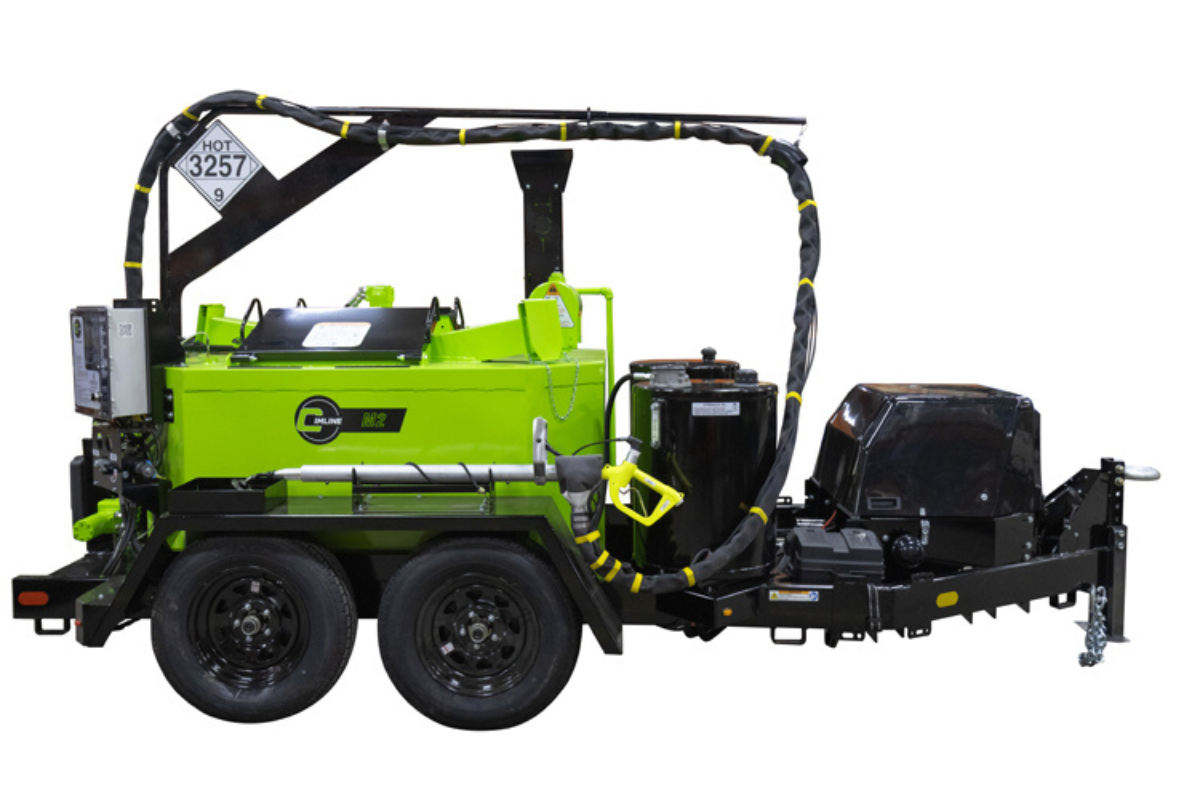
A crack sealing program runs on a few key machines. A melter or crack sealer heats and applies the sealant. Cimline M-Series crack sealers, for example, come in M1 and M2 models with capacities from 150 to 410 gallons, sized to match small crews or full road programs. A crack router cuts the reservoir. For longitudinal joints and larger surface treatments, a joint sealer like the Cimline MA4 handles joint sealing, fog sealing, and features like rumble strips. Haaker carries the full Cimline asphalt repair lineup.
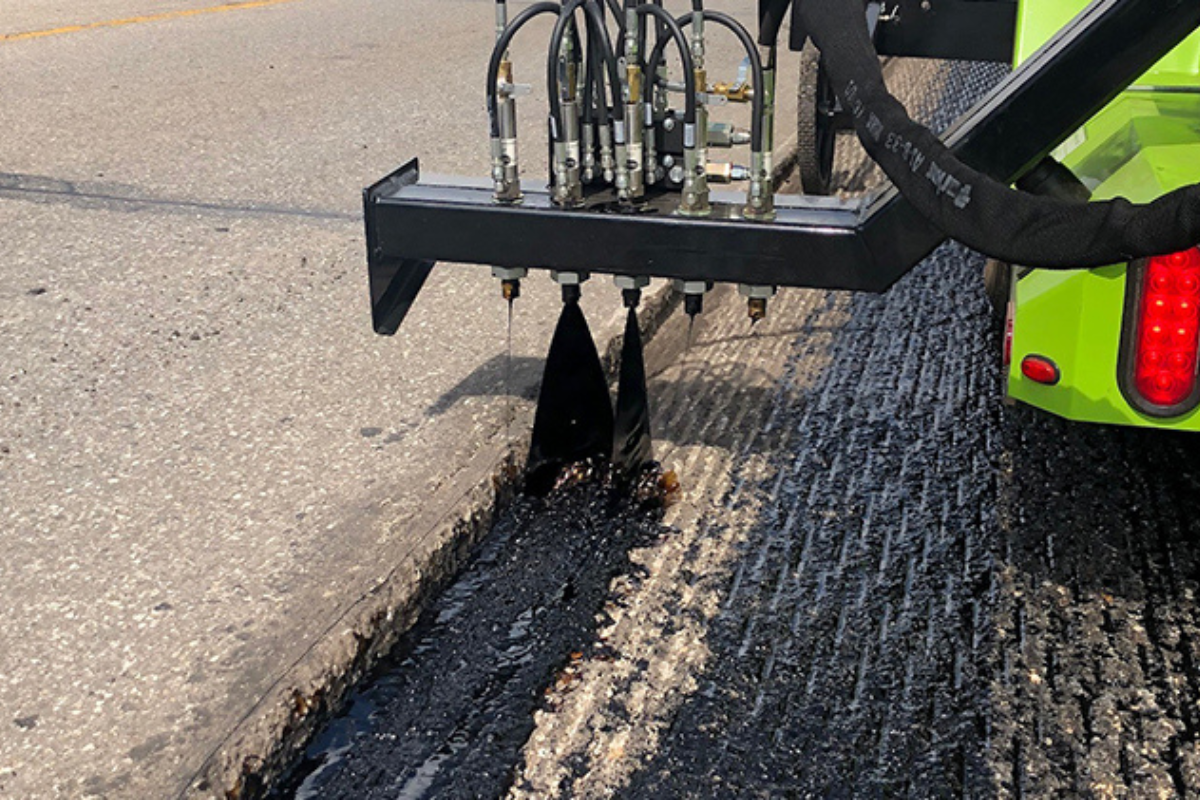
What Is Patching?
Patching repairs pavement that has already failed. When a crack becomes a pothole or an area breaks up, you remove or fill the damaged spot and replace it with new asphalt mix. Patching is necessary and it is not going away. Potholes are safety hazards and they have to be fixed. The point is that patching is a repair, not prevention. A patch fixes the spot that failed, while the cracks around it keep letting water in unless you seal them too.
Patching equipment ranges from one-person spray patchers up to truck-mounted units and hot boxes that keep mix workable on the job. Cimline P-Series patchers like the P5 one-person patcher and Falcon patch trucks and hot boxes cover the patching side of a complete pavement program.
Crack Sealing vs. Patching at a Glance
| Factor | Crack sealing | Patching |
|---|---|---|
| Purpose | Prevent water intrusion before failure | Repair pavement that already failed |
| When | Early, while pavement is sound | After potholes or break-up appear |
| Relative cost | Low, preventive | Higher, reactive |
| Effect on pavement life | Extends it | Restores a failed spot |
| Example equipment | Crack sealers, routers, joint sealers | Patchers, hot boxes, patch trucks |
When to Seal vs. When to Patch
Use this framework to decide where each crew should be.
- If cracks are narrow and the pavement is still sound, seal them now to keep water out and extend the road’s life.
- If a crack has opened into a pothole or the area is breaking up, patch it, because sealing will not fix a structural failure.
- If you just patched an area, seal the surrounding cracks too, or water will keep undermining the pavement around your new patch.
- If you run a road program on a budget, put crack sealing on a regular schedule, since it is the cheapest way to slow how fast roads reach the patching stage.
- If you are not sure a crack is worth sealing, remember that working cracks wider than a hairline are usually worth sealing before the next wet season.
Frequently Asked Questions
Is crack sealing worth it?
Yes. Crack sealing keeps water out of the pavement base before it can cause potholes and structural failure. It is one of the lowest-cost pavement preservation steps and it extends pavement life, which means fewer expensive patches and resurfacing jobs down the road.
What is the difference between crack sealing and crack filling?
Crack sealing uses hot, rubberized sealant that flexes with the pavement and is meant for working cracks that move with temperature. Crack filling uses a less flexible material for non-working cracks. Sealing generally lasts longer on cracks that open and close through the seasons.
Should I seal cracks or wait and patch later?
Seal early. Waiting lets water reach the base and turns a cheap crack into an expensive pothole. Sealing while the pavement is still sound is far cheaper than patching and reconstruction, which is why it is a core pavement preservation practice.
Do you need to rout a crack before sealing it?
Routing is not always required, but it improves results on many jobs. A crack router cuts a clean, uniform reservoir that holds more sealant and bonds better, which helps the seal last longer. For high-traffic roads and longer service life, many crews rout first.
What equipment do I need to start a crack sealing program?
At a minimum you need a crack sealer or melter to heat and apply sealant, and a way to clean and dry the crack. Many programs add a crack router for a better reservoir and a joint sealer for longitudinal joints. Haaker can match the right Cimline equipment to your road program.
The Bottom Line
Crack sealing and patching are not competitors, they are two stages of the same job. Seal cracks early to keep water out and extend pavement life at a low cost. Patch potholes and broken areas when prevention is too late, then seal the cracks around them so the cycle does not start again. Put crack sealing on a regular schedule and you will spend less on patching, resurfacing, and reconstruction over the life of every road you manage.
Why Order Your Asphalt Repair Equipment From Haaker Equipment Company
Haaker Equipment Company has served municipal, contractor, and public works crews across California, Nevada, and Arizona since 1972, with seven locations and factory-trained service. We carry the full Cimline crack sealing and asphalt repair lineup, from crack routers and sealers to joint sealers and patchers, plus Falcon patch trucks and hot boxes for the patching side of your program. Nobody works harder for you.
Ready to build or upgrade your pavement preservation program? Explore our Cimline asphalt repair equipment, call 909-598-2706, or contact Haaker Equipment to schedule a free demo at one of our seven locations.