If you’re evaluating street sweepers for your municipality, fleet, or contracting operation, one question comes up early: mechanical broom sweeper or regenerative air sweeper?
Both do the job. But they do it differently — and picking the wrong type for your application can mean spending more on maintenance, missing compliance requirements, or leaving debris behind on the roads you’re paid to clean.
Here’s a straightforward breakdown of how each type works, where each performs best, and how to match the right sweeper to your specific needs.

How Mechanical Broom Sweepers Work
Mechanical broom sweepers use rotating brushes — typically a main broom in the center and side gutter brushes — to physically sweep debris off the road surface and into a hopper. These machines are workhorses. They’re well-suited for heavy debris, coarse material, and demanding environments where raw sweeping power matters more than fine particulate control.
Mechanical sweepers are the right choice when you’re dealing with:
- Gravel, sand, and coarse road debris
- Post-construction cleanup
- Heavy leaf and organic material
- Rural roads or lower-traffic areas where dust control is less of a concern
- Applications where budget is a primary driver and complexity should be minimized
Mechanical sweepers are generally more straightforward to operate and maintain, making them a solid option for fleets that need dependable performance without a steep learning curve.

How Regenerative Air Sweepers Work
Regenerative air sweepers use a high-velocity air system to blast debris loose from the road surface and vacuum it into a sealed hopper. The air is “regenerated” — recirculated through the system — which allows for continuous, powerful airflow without constantly exhausting fine particles into the atmosphere.
This technology was built with air quality regulations in mind, and it shows. Air sweepers are the preferred choice for municipalities operating in regulated air districts, urban environments with noise and dust concerns, and any application where fine particulate (PM10, PM2.5) control is a compliance requirement.
Regenerative air sweepers are the right choice when you’re dealing with:
- Fine dust, silt, and particulate matter
- Urban or downtown corridors with air quality mandates
- Residential neighborhoods where noise is a concern
- Applications subject to EPA or SCAQMD (South Coast Air Quality Management District) compliance
- Parks, airports, and environments requiring a cleaner, more controlled sweep
Side-by-Side Comparison
| Factor | Mechanical Broom Sweeper | Regenerative Air Sweeper |
|---|---|---|
| Best debris type | Coarse — gravel, sand, leaves | Fine — dust, silt, particulates |
| Air quality compliance | Standard | Built for regulated environments |
| Noise level | Moderate | Lower |
| Maintenance complexity | Lower | Moderate |
| Operating cost | Generally lower | Higher upfront, strong long-term ROI |
| Best for | Rural, post-construction, high-debris routes | Urban, residential, compliance-driven fleets |
| Typical application | Highways, construction sites, industrial areas | City centers, parks, airports, CA/NV regulated zones |
The Compliance Factor: Why It Matters in the Western U.S.
If you operate in California, Nevada, or Arizona, air quality regulations should be a top factor in your decision — not an afterthought.
California’s air districts, particularly the SCAQMD, have strict requirements around PM10 emissions from street sweeping operations. Mechanical sweepers, while effective for debris removal, may not meet the same fine particulate standards as a regenerative air system. Fleet managers operating in regulated regions often find that air sweepers reduce compliance risk and, in some cases, open the door to clean air grants and funding that can offset the equipment cost.
Haaker Equipment works with municipalities across Southern California, Nevada, and Arizona and understands the specific regulatory landscape of each region. If compliance is on your radar, it’s worth a conversation before you commit to a machine.
What About Combination Sweepers?
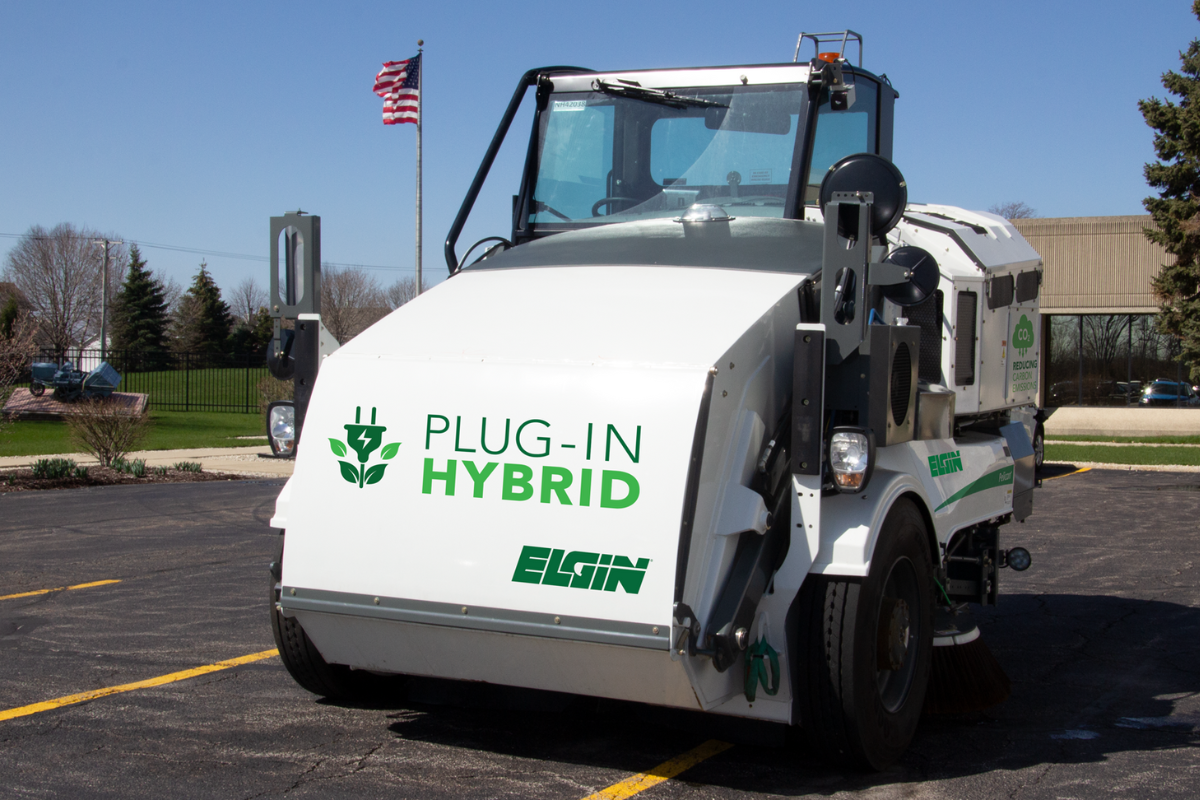
Some applications call for the best of both worlds. Combination sweepers — like several models in the Elgin lineup — pair mechanical brushes with an air assist system to handle both heavy debris and fine particulate in a single pass. These units are a strong option for fleets that cover a variety of road types and don’t want to maintain two separate machines.
How to Choose: A Simple Decision Framework
Still not sure? Run through these three questions:
1. What type of debris are you primarily sweeping?
Coarse and heavy — lean mechanical. Fine dust and particulate — go air.
2. Where are you operating?
Urban cores, regulated air districts, noise-sensitive areas — air sweeper. Rural routes, construction sites, high-debris industrial areas — mechanical.
3. What’s your compliance environment?
If you’re in a California air district or any regulated zone, confirm your sweeper meets PM10 standards before purchasing.
If you’re still not certain after that, the right move is to get behind the wheel of both. A side-by-side demo in your actual operating environment will answer questions that no spec sheet can.
Talk to the Experts Before You Decide
Haaker Equipment has been helping municipalities, contractors, and industrial operators choose the right sweeping equipment since 1972. As North America’s largest street sweeper dealer, we carry the full Elgin lineup — including mechanical broom sweepers, regenerative air sweepers, and combination units — and our team knows the applications, the regulations, and the real-world performance differences inside and out.
We’re not here to sell you the most expensive machine. We’re here to match you with the right one.
Schedule a Demo | View Elgin Street Sweepers
Frequently Asked Questions
What is the difference between a mechanical and air street sweeper?
Mechanical sweepers use rotating brooms to physically move debris into a hopper. Regenerative air sweepers use high-velocity airflow to loosen and vacuum debris, offering better fine particulate control for compliance-sensitive environments.
Which street sweeper is better for municipalities?
It depends on the application. Urban fleets in regulated air districts typically benefit from regenerative air sweepers due to PM10 compliance requirements. Fleets covering high-debris or rural routes often find mechanical sweepers more practical and cost-effective.
Are air sweepers required in California?
Not universally — but municipalities operating in regulated air districts (such as those under SCAQMD jurisdiction) may be required to meet specific particulate emission standards. Regenerative air sweepers are designed to meet these requirements. Contact Haaker Equipment to discuss your specific region.
Can I rent a street sweeper before buying?
Yes. Haaker Equipment offers daily, weekly, and monthly rentals of both mechanical and air sweepers. Renting before purchasing is a great way to evaluate equipment performance in your actual operating conditions.
How much does a street sweeper cost?
New street sweeper pricing varies widely by type, configuration, and manufacturer. Used sweepers offer a cost-effective alternative. Contact Haaker Equipment for current pricing and availability on new and used inventory.
Haaker Equipment Company has served municipal, industrial, and contractor customers across the Western United States since 1972. Nobody works harder for you.