One of the biggest choices when you spec a combination sewer truck is the fan versus positive displacement blower decision. The blower is the heart of the vacuum system, and the type you pick sets how the truck performs on depth, distance, and debris for its entire service life. Fan systems and positive displacement blowers move air in different ways, and each one shines in different jobs. Choose the wrong one and you either overpay for capability you never use or fall short when the job goes deep. This guide explains how each blower works, where each excels, and how to match the blower to the work your crews actually do.
Fan blowers move a high volume of air at lower vacuum and suit most municipal sewer and catch basin cleaning. Positive displacement blowers move less air but pull a stronger vacuum, which is better for deep digs, long hose runs, and hydroexcavation. Match the blower to your typical depth and distance.
What the blower does on a combination sewer truck
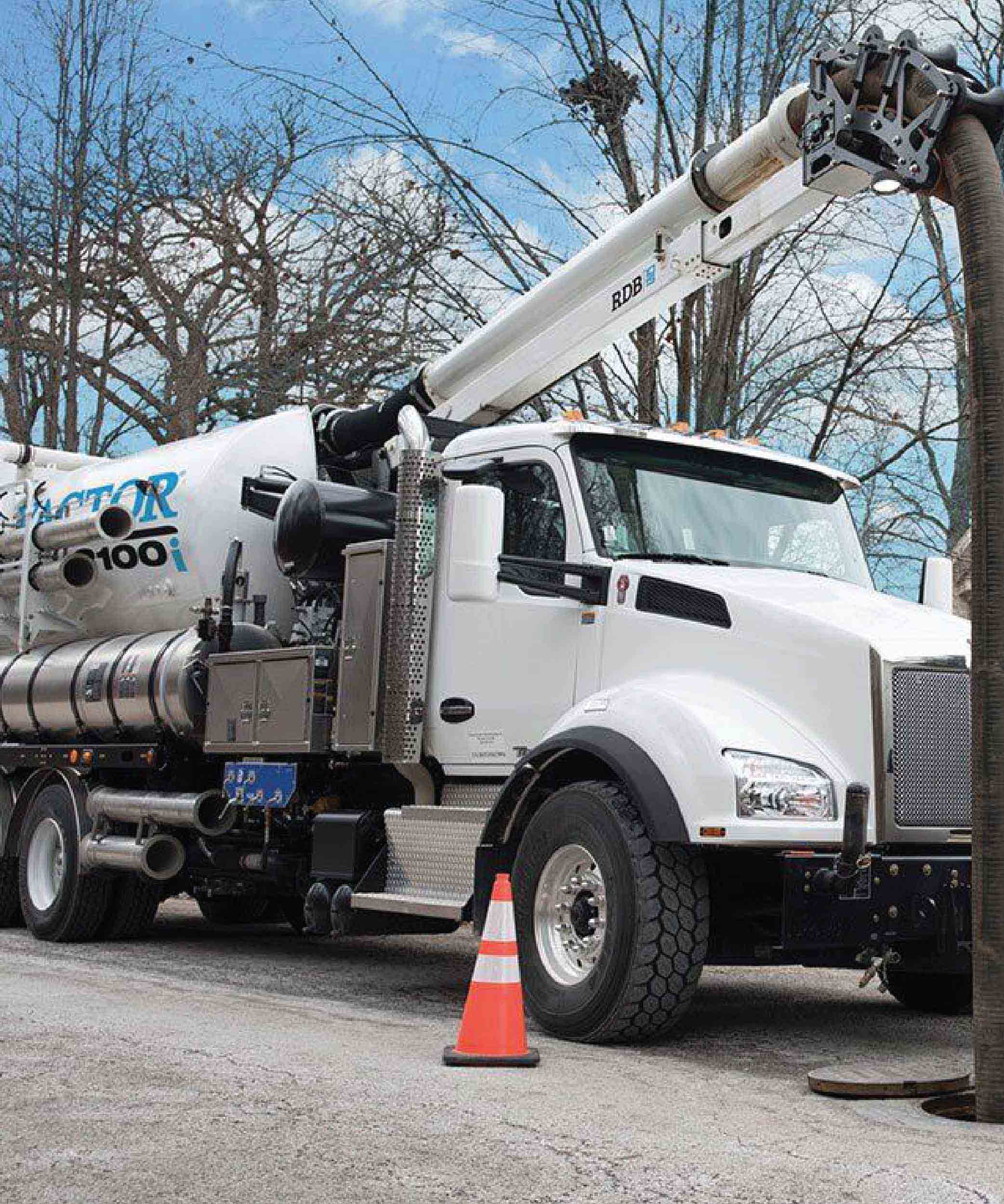
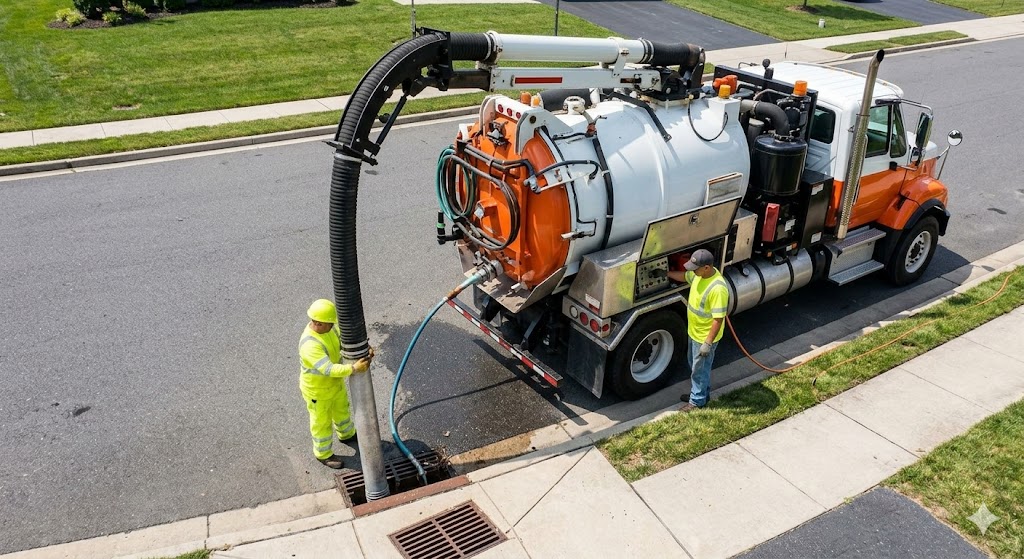
A combination sewer truck pairs a high pressure water jetting system with a powerful vacuum system, so one truck can both break loose and remove debris from sewers, catch basins, and manholes. The blower creates the vacuum that lifts water, sludge, sand, and rock up the hose and into the debris body. Everything about the truck’s pickup performance, how deep it can lift from and how far it can pull, comes back to the blower and how it moves air.
Airflow versus vacuum
Two numbers describe a vacuum system. Airflow, measured in cubic feet per minute, is the volume of air the blower moves. Vacuum, measured in inches of mercury, is how strong a pull it creates. Fan systems favor airflow, and positive displacement blowers favor vacuum. That single tradeoff drives the whole decision. (Verify the exact airflow and vacuum ratings against the specific Vactor model and configuration you are considering, since figures vary by unit.)
Fan blowers explained
A fan system uses a large, fast spinning impeller to move a high volume of air. It is the traditional choice for municipal sewer cleaning and remains the most common blower on combination trucks.
Where fan systems excel
Fan systems move a lot of air, which makes them strong at picking up water and typical sewer debris at normal working depths. They are generally simpler, lighter, and lower in cost than positive displacement systems, and they recover quickly when the load changes. For routine sewer and catch basin cleaning, a fan system handles the great majority of the work.
Fan system tradeoffs
Because a fan relies on air volume rather than raw vacuum, its performance falls off as depth and hose length increase. Abrasive material such as sand and rock also wears the fan blade over time, so the blade is a wear item that needs inspection and eventual replacement. For deep or long distance work, a fan can run out of pull.
Positive displacement blowers explained
A positive displacement blower, often a roots type blower, traps and moves a fixed volume of air with each rotation. It moves less total air than a fan but generates a much stronger vacuum.
Where positive displacement excels
The strong vacuum makes a positive displacement blower the choice for deep excavation, long hose runs, and hydroexcavation, where material must travel far up and out. When crews routinely dig deep, work far from the truck, or handle heavy wet material at distance, a positive displacement system keeps pulling where a fan would fade.
Positive displacement tradeoffs
That capability costs more up front, adds weight, and brings more maintenance points than a fan. Positive displacement blowers also run hotter and need careful attention to their protection systems, so they reward crews who keep up with service. For shallow routine work, much of that capability sits unused.
| Factor | Fan blower | Positive displacement blower |
|---|---|---|
| Airflow (volume) | Higher | Lower |
| Vacuum (pull) | Lower | Higher |
| Best depth and distance | Normal working depth and range | Deep digs and long hose runs |
| Typical work | Routine sewer and catch basin cleaning | Hydroexcavation and deep or distant work |
| Up front cost | Lower | Higher |
| Maintenance | Simpler, fan blade wears | More points, runs hotter |
How to choose the right blower for your fleet
- If you run routine municipal sewer and catch basin cleaning at normal depths, a fan system covers most of your work at lower cost.
- If you regularly dig deep, work far from the truck, or do hydroexcavation, choose a positive displacement blower for its stronger vacuum.
- If you handle heavy, wet, or abrasive material at distance, positive displacement holds pickup where a fan fades.
- If budget and payload are the priority and jobs stay shallow, a fan system is lighter and less expensive.
- If your crews span both routine and deep work, weigh how often the deep jobs happen before paying for positive displacement.
Frequently asked questions
Is a fan or positive displacement blower better?
Neither is better overall. A fan moves more air and suits routine sewer and catch basin cleaning at normal depth. A positive displacement blower pulls a stronger vacuum and suits deep digs, long hose runs, and hydroexcavation. The better choice depends on the depth and distance of your typical work.
Which blower is best for hydroexcavation?
Positive displacement blowers are generally preferred for hydroexcavation because the work often goes deep and material must travel far up the hose. The stronger vacuum keeps pickup steady at depth and distance, where a fan system tends to lose performance.
Do fan blowers need more maintenance?
Fan systems are simpler, but the fan blade is a wear item because abrasive sand and rock erode it over time, so it needs inspection and eventual replacement. Positive displacement blowers have more maintenance points and run hotter, so they need consistent service to stay reliable.
Can one combination truck do both routine and deep work?
Yes, but you should spec the blower for the harder end of your work. If deep digs and long runs are common, a positive displacement blower handles both routine and deep jobs. If deep work is rare, a fan system covers your routine cleaning at lower cost.
The Bottom Line
The fan versus positive displacement blower choice comes down to a single tradeoff between airflow and vacuum. Fan systems move more air and handle routine sewer and catch basin cleaning at normal depth for less money. Positive displacement blowers pull a stronger vacuum and earn their cost on deep digs, long hose runs, and hydroexcavation. Spec the blower for the work your crews actually do, and lean toward positive displacement only when deep or distant work is common. When crews enter or work around confined spaces, follow confined space safety rules (see OSHA 29 CFR 1910.146).
Why Buy Your Combination Sewer Truck From Haaker Equipment Company
Haaker Equipment Company is the authorized Vactor combination sewer truck dealer for California, Arizona, and Nevada, with factory trained technicians, a full parts inventory, and service locations across the region. We help agencies and contractors spec the right blower for their work, then keep those trucks productive with local parts and service. Compare the Vactor 2100 Plus fan system and the Vactor 2100 Plus positive displacement system, explore our sewer cleaning trucks, or request a demo or quote.
Call your nearest Haaker branch: Los Angeles 909-598-2706, San Diego 619-569-1946, Colton 909-370-2100, Central Valley 559-220-8897, Northern California 510-514-0043, Nevada 702-639-0156, and Phoenix 602-266-8214. You can also reach us through our contact page.