Catch basins are the front line of stormwater management. Every inlet grate on every street in your city is a collection point for debris, sediment, oil, and pollutants that would otherwise flow directly into the storm drain system, downstream waterways, and ultimately the ocean. When catch basins are maintained and functioning correctly, they protect water quality and prevent downstream flooding. When they’re neglected, they become the source of the problem they were designed to prevent.
For most municipalities, catch basin cleaning is a compliance requirement under NPDES stormwater permits — not just a maintenance preference. Understanding the right equipment and a defensible maintenance schedule is the foundation of a program that holds up to regulatory scrutiny and keeps the stormwater system functioning as designed.
Why Catch Basins Fail
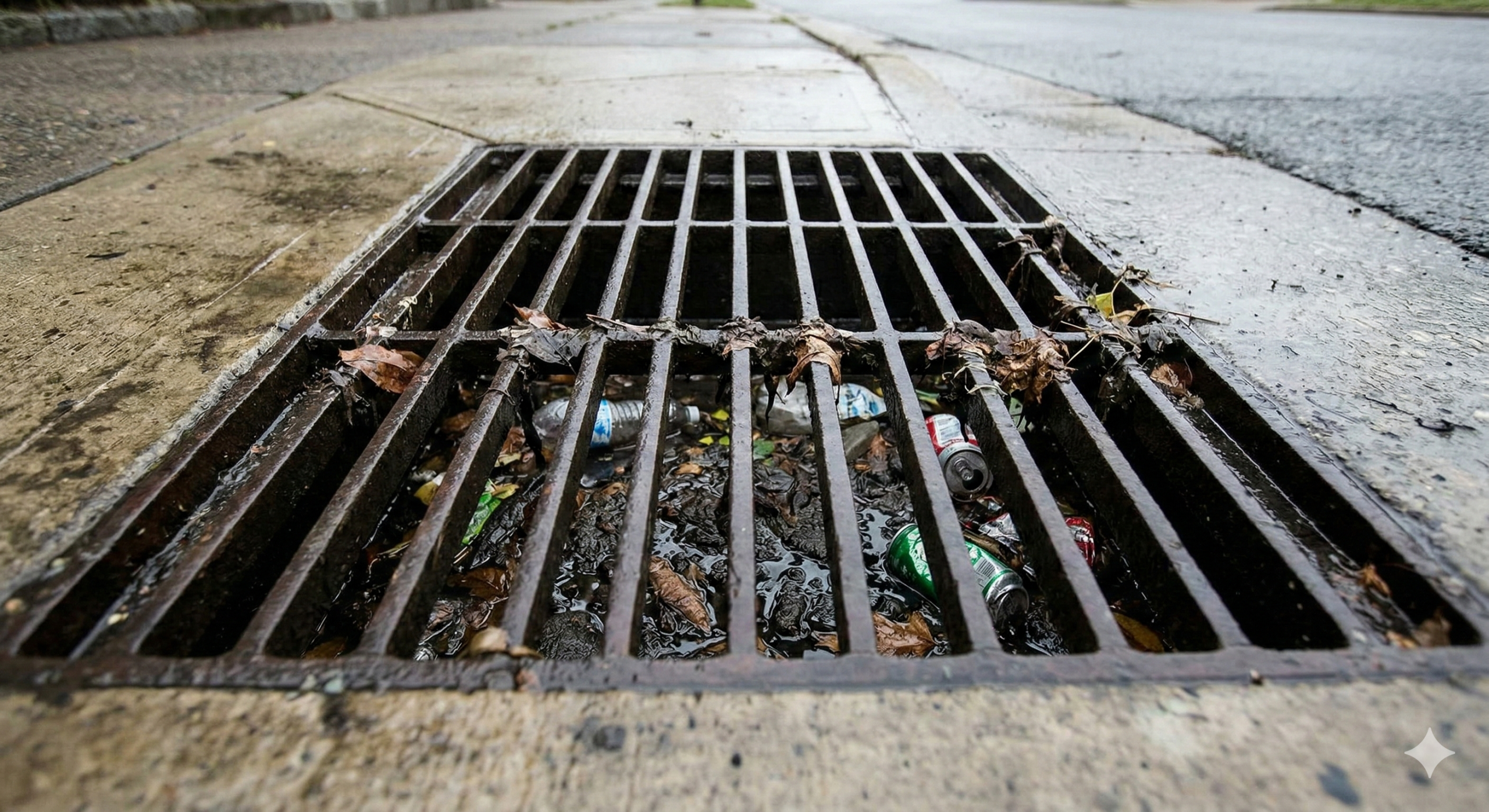
Catch basins fail for one reason: they fill up. Sediment, leaf litter, trash, construction debris, oil, and grease accumulate in the sump below the inlet. Once the sump is full, debris flows directly through the inlet and into the drainage system rather than settling and being captured. At that point, the catch basin is not just nonfunctional — it’s a conduit for the exact pollutants it was designed to stop.
Beyond pollutant capture, full or partially blocked catch basins contribute to localized flooding during rain events by reducing the effective inlet capacity. Nuisance flooding on roadways, intersections, and low-lying areas is often traceable to deferred catch basin maintenance rather than undersized infrastructure.
Equipment Options for Catch Basin Cleaning
Combination Jet/Vac Trucks
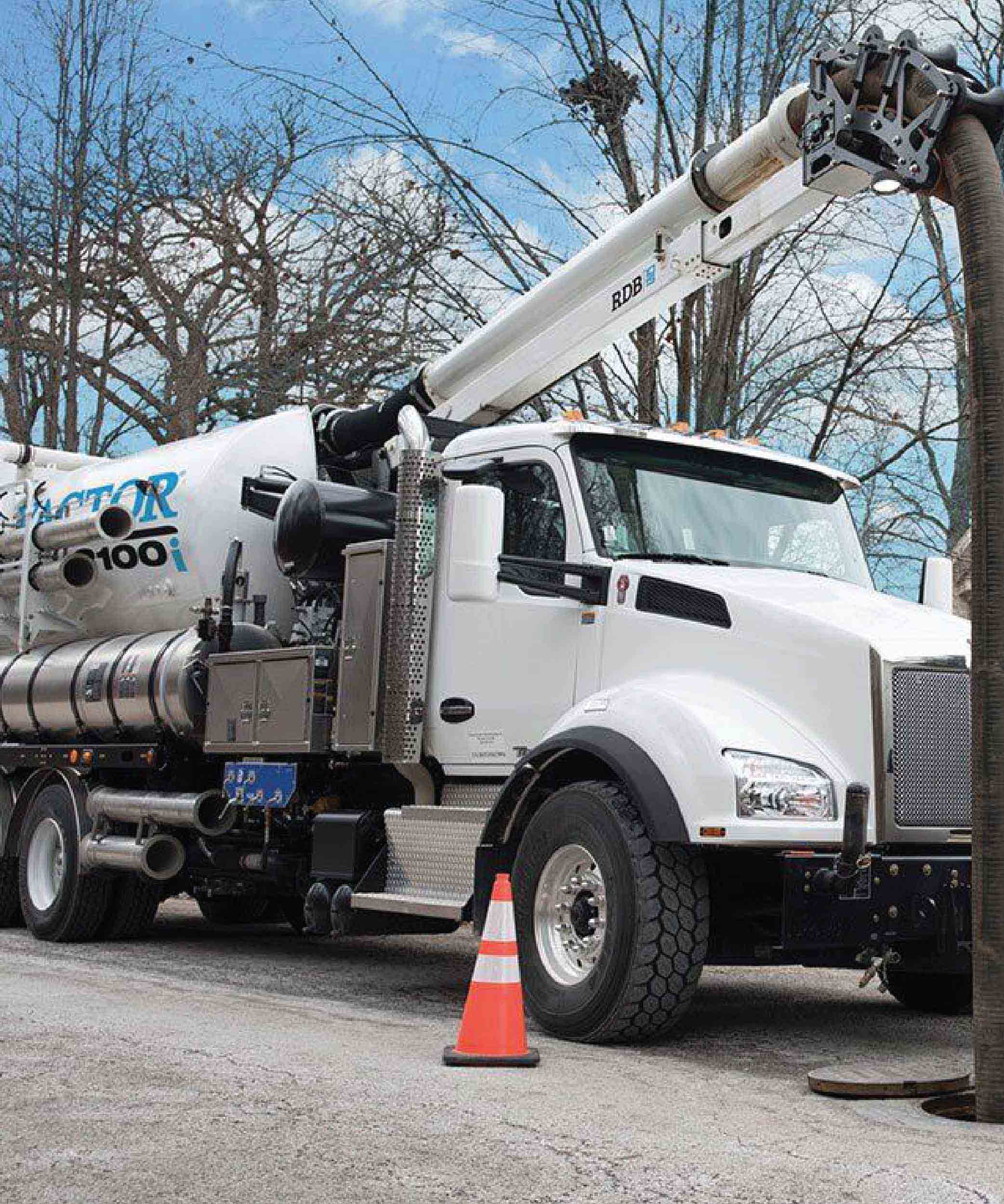
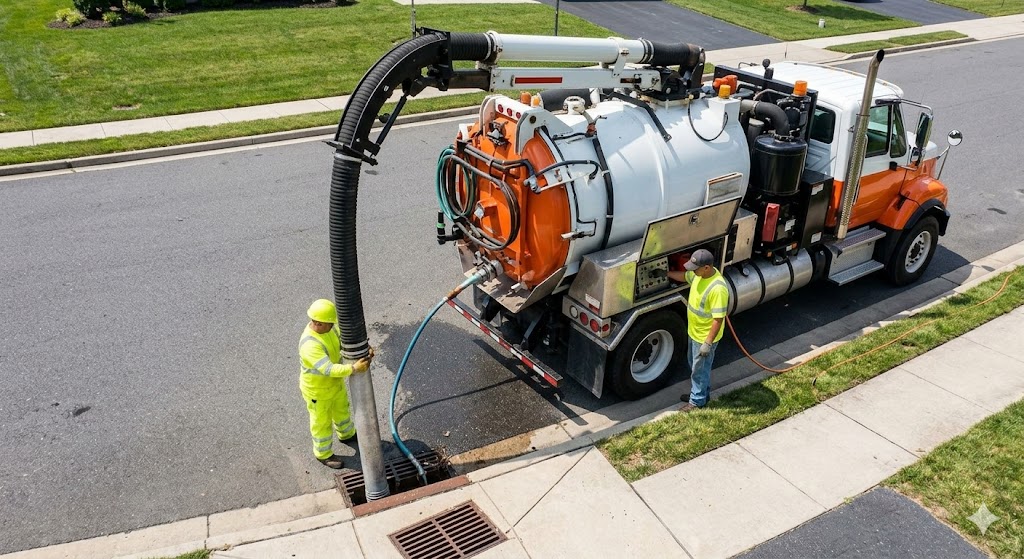
The Vactor combination sewer cleaning trucks are the most common and most productive equipment for municipal catch basin cleaning programs. The vacuum system removes sediment, debris, and water from the basin sump while the jetter can flush inlet pipes and laterals connected to the structure.
The combination approach is efficient because one truck handles the complete cleaning cycle — vacuum out the sump, jet the inlet lines if needed, and move to the next structure. A well-configured combination unit and two-person crew can service dozens of catch basins per day on a production cleaning route. For municipalities running both catch basin cleaning and sewer main cleaning programs, the same combination truck handles both workflows.
Dedicated Vacuum Trucks
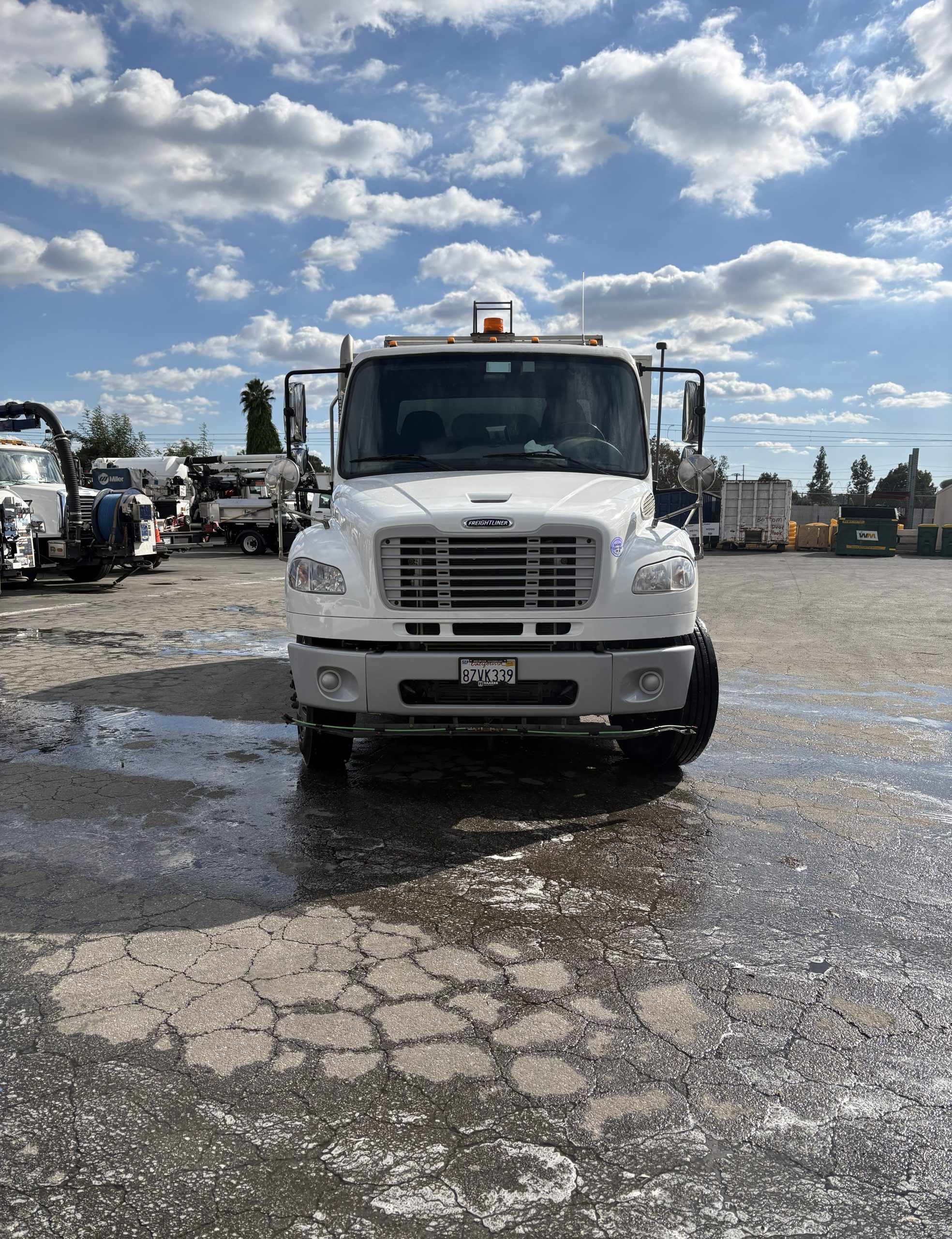
Vacuum trucks — without a jetter — are a simpler and lower-cost option for operations where catch basin cleaning is the primary or only application. The vacuum system lifts sediment and debris from the sump and deposits it in the debris body. Dedicated vacuum trucks work well for catch basin programs where inlet pipe jetting is not a regular requirement and the primary task is sediment removal.
Trailer-Mounted Vacuum Units
For smaller municipalities or operations adding catch basin cleaning capability without a full-size truck investment, trailer-mounted vacuum units are available. These are typically towable by a standard pickup and offer meaningful sump cleaning capability for smaller structure sizes. The limitation is capacity — smaller debris bodies fill faster, requiring more frequent off-loads on high-production routes.
Cleaning Frequency: Building a Defensible Schedule
NPDES Municipal Separate Storm Sewer System (MS4) permits in California generally require municipalities to inspect and clean catch basins on a documented schedule. The general framework by basin priority:
High-priority basins: Located near food service establishments, major intersections, or in industrial zones. Typically require cleaning once or twice per year at minimum, and may warrant quarterly service.
Standard municipal basins: Annual cleaning is the baseline for most MS4 compliance programs and is defensible in most permit frameworks.
Low-sediment areas: Rural or low-traffic basins in areas with minimal debris generation may qualify for a biennial schedule with documented inspection justification.
A tiered program — where basins are categorized by priority and cleaned on schedules that match their accumulation rate — is both operationally efficient and the most defensible approach to MS4 compliance documentation.
Inspection and Documentation
Regulatory compliance for catch basin programs lives and dies on documentation. Every basin cleaning event should be logged with the date, location, volume of material removed, and any structural deficiencies observed during cleaning. This documentation becomes the evidence of compliance in MS4 annual reports and permit renewal processes.
Envirosight inspection cameras and WinCan software integrate directly with catch basin inspection workflows, allowing crews to document structural conditions, record debris levels prior to cleaning, and build the asset management database that regulators increasingly expect from municipal stormwater programs.
Talk to the Haaker Team
Haaker Equipment carries Vactor combination sewer cleaning trucks and has supported municipal catch basin cleaning programs across California, Nevada, and Arizona for decades. Our team can help you evaluate equipment options for your basin inventory, crew size, and permit requirements.
View Vactor Combination Units | Contact Our Team
Frequently Asked Questions
How often should catch basins be cleaned?
Most California NPDES MS4 permits require annual catch basin cleaning at minimum for standard municipal basins. High-priority basins in areas with heavy trash generation or near sensitive waterways may require cleaning twice per year or more frequently. A tiered maintenance schedule based on basin priority and accumulation rate is the most defensible approach for permit compliance.
What equipment is used to clean catch basins?
Catch basins are most commonly cleaned with combination jet/vac trucks like the Vactor, which use a vacuum system to remove sediment and debris from the basin sump. Dedicated vacuum trucks are also used for programs focused primarily on sediment removal. Smaller trailer-mounted vacuum units are available for operations that don’t require full-size truck capacity.
Is catch basin cleaning required by law in California?
Yes. Most California municipalities operating a Municipal Separate Storm Sewer System (MS4) are required under NPDES permits to inspect and clean catch basins on a documented schedule. Specific requirements vary by permit conditions and regional water quality control board jurisdiction. Failure to maintain documented cleaning records can result in permit violations and enforcement action.
Can the same truck do catch basin cleaning and sewer main cleaning?
Yes. Vactor combination jet/vac units handle both catch basin cleaning (using the vacuum system to remove sump material) and sewer main cleaning (using the jetter to clean pipe walls). Running one combination unit for both programs is more cost-effective than maintaining separate trucks for each function.
Haaker Equipment Company has supported municipal stormwater maintenance programs across California, Nevada, and Arizona since 1972. Nobody works harder for you.