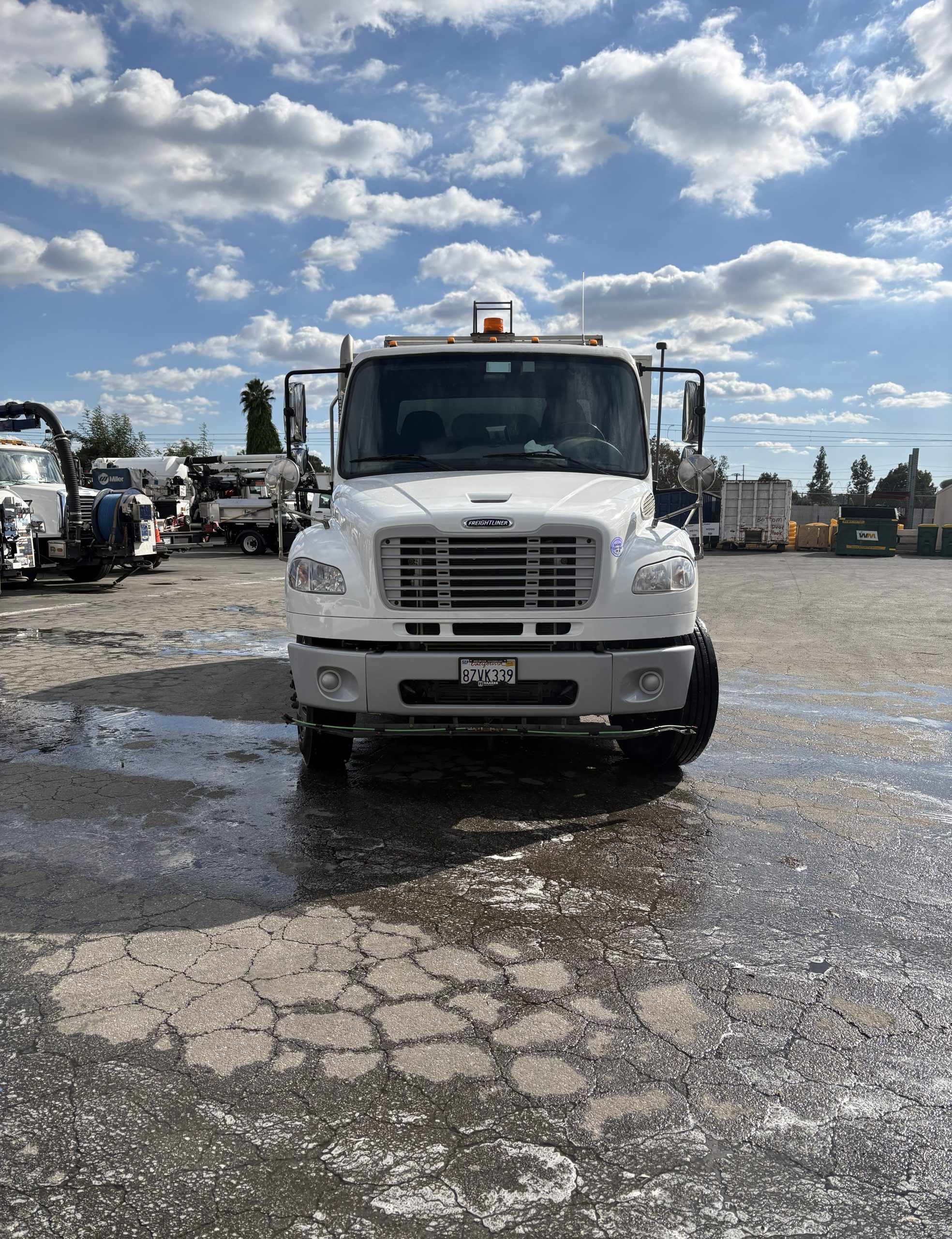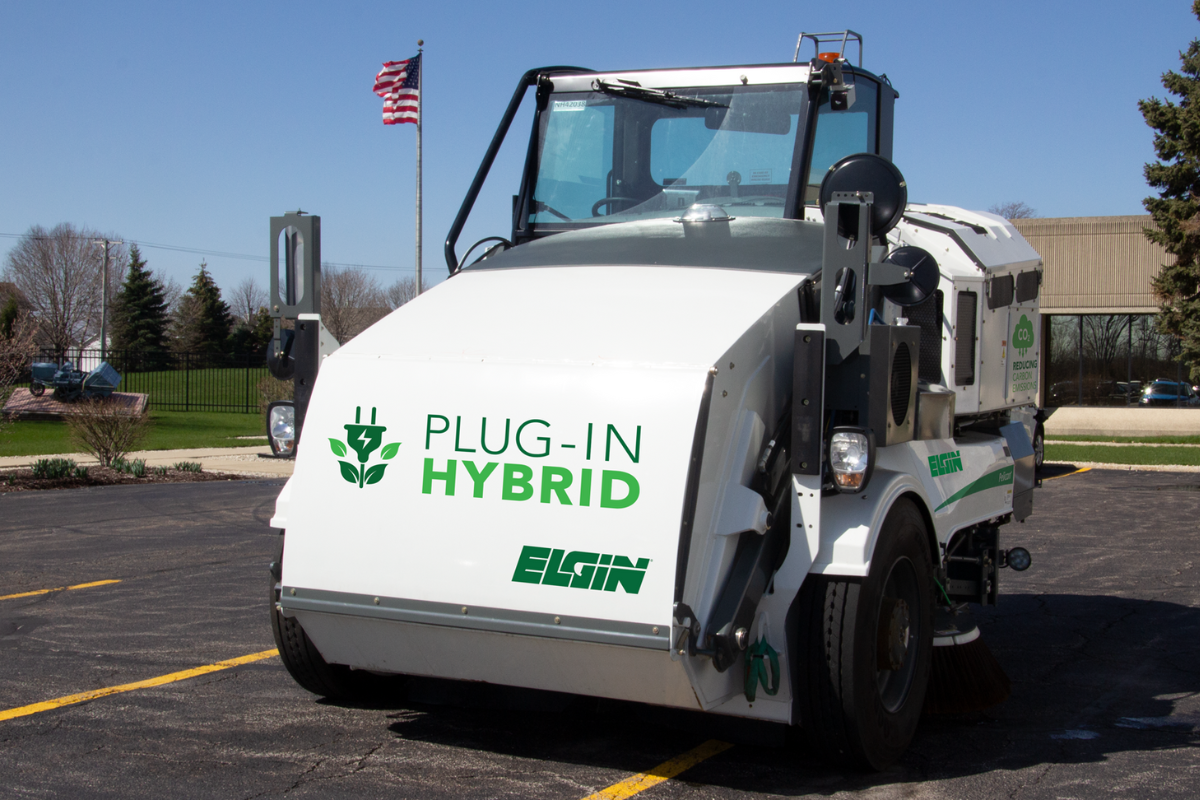
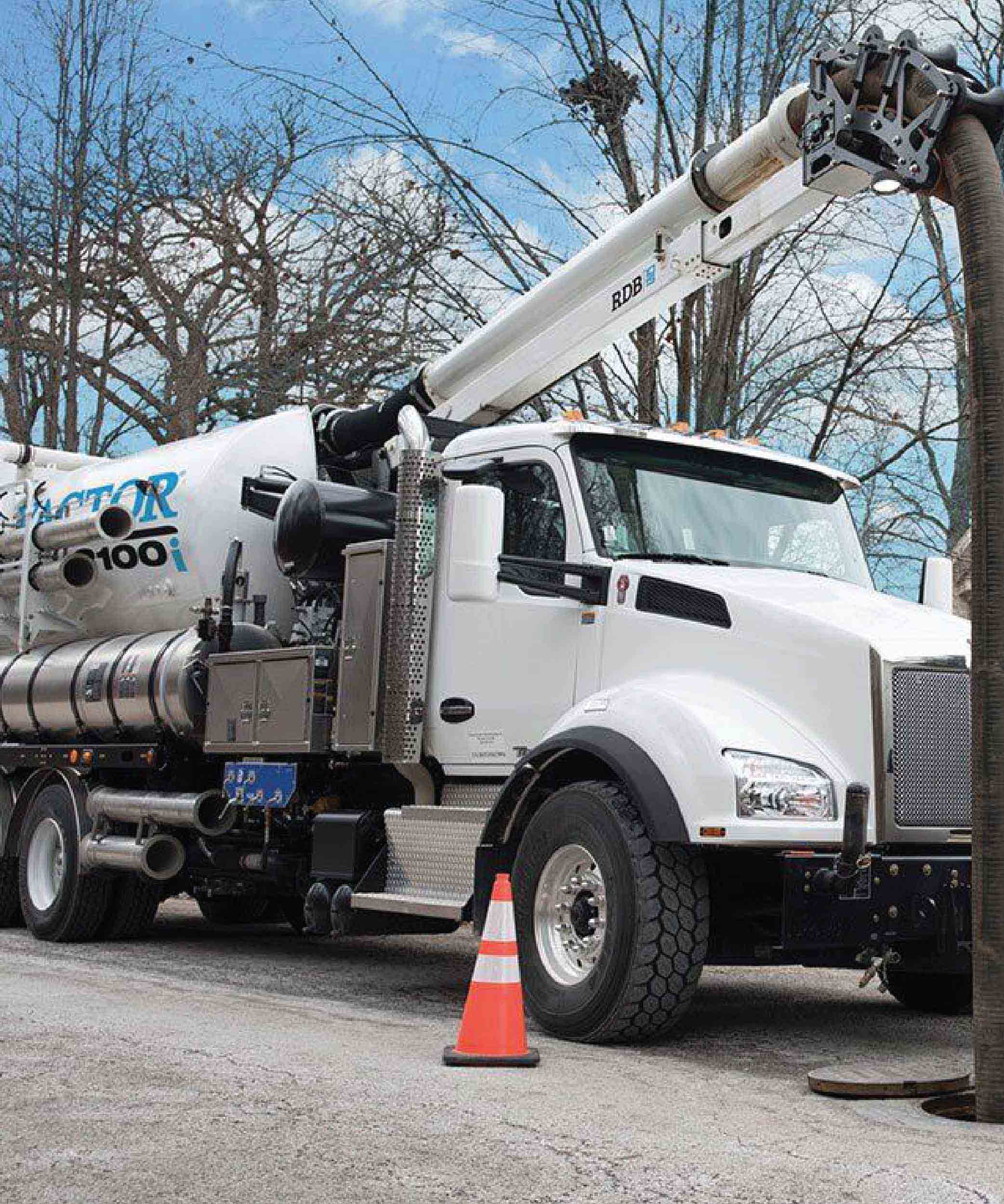
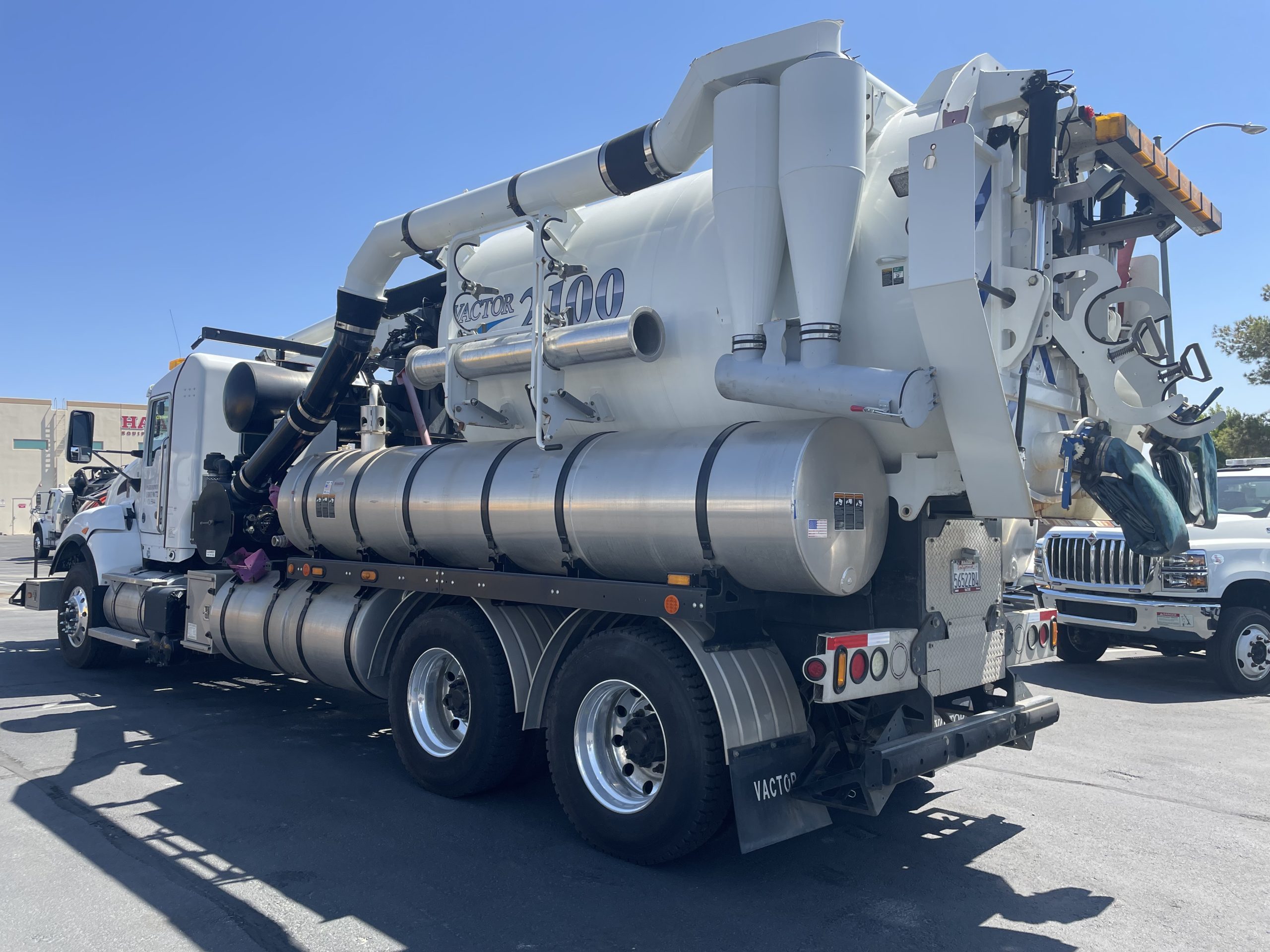
Picking between a compact and a full-size combination sewer cleaner comes down to what your crew actually cleans day to day, tight residential lines and alley access, or long trunk lines and large-diameter interceptors. A compact combination sewer cleaner packs a smaller water tank and debris body onto a lighter chassis, which trades capacity for maneuverability. A full-size unit like a Vactor 2100 Plus carries more water and more debris storage, which means fewer trips back to the dump site and refill station on big jobs. This guide compares access, capacity, crew needs, and cost so you can match the machine to the lines you actually service.
A compact combination sewer cleaner uses a smaller chassis, water tank, and debris body to access tight streets, alleys, and low-clearance areas, trading capacity for maneuverability. A full-size combination sewer cleaner carries more water and debris storage, cutting trips to dump and refill on long runs, but it needs more road clearance and a heavier chassis.
How Compact and Full-Size Units Differ
Both machine types combine high-pressure water jetting with vacuum debris recovery in one truck. The difference comes down to how much water and debris the unit carries, and how much chassis the truck needs to carry it.
Chassis and Access
Compact units ride on a lighter, shorter chassis, often a single rear axle configuration, which lets them turn into alleys, tight cul-de-sacs, and older neighborhoods built before modern truck access was a design consideration. Full-size units ride on a heavier, longer chassis, typically a tandem rear axle, which needs more turning radius and more overhead clearance for the boom.
Water Tank and Debris Body Capacity
Capacity is where the two designs really separate. A compact unit’s smaller water tank and debris body mean the crew refills and dumps more often, but the truck itself is lighter and easier to maneuver. A full-size unit’s larger tank and debris body let the crew work longer between stops, which matters most on trunk line cleaning and large commercial systems where driving to a dump site eats into productive time. Exact water tank and debris body capacity figures vary by manufacturer and configuration, so check with your Haaker Equipment Company representative for specs on the models you are comparing.
Where Each Size Works Best
Tight Access Routes
Older residential neighborhoods, alleys, mobile home parks, and downtown cores with limited street width favor compact units. If your crew regularly backs into cul-de-sacs or squeezes past parked cars on narrow streets, a compact combination sewer cleaner saves time and avoids the property damage that comes with trying to maneuver a full-size rig into a space it was not built for.
Trunk Lines and Large-Diameter Work
Trunk line cleaning, lift station maintenance, and large-diameter interceptor work favor full-size units. These jobs move a lot of debris and use a lot of water, and a bigger tank means fewer round trips to the dump site during a single job. Crews running long collection routes with easy truck access typically get more done per shift with a full-size machine.
| Factor | Compact Unit | Full-Size Unit |
|---|---|---|
| Best for | Alleys, tight streets, residential lines | Trunk lines, interceptors, large commercial systems |
| Water tank and debris body capacity | Smaller | Larger |
| Trips to dump and refill site | More frequent | Less frequent |
| Chassis and turning radius | Lighter, tighter turns | Heavier, wider turns |
| Upfront purchase cost | Lower | Higher |
| Best crew size | Often works with 1 to 2 operators | Often benefits from a 2-person crew |
Crew Size and Operating Considerations
Compact units are often easier for a single experienced operator to run, since the boom, hose reel, and debris body are all sized for faster, simpler cycles. Full-size units generally benefit from a two-person crew, since managing the boom on larger diameter pipe, tracking a bigger debris load, and coordinating dump site trips is more efficient with a second set of hands. Neither rule is absolute. Match crew size to your actual call volume and pipe diameters, not just the truck size. Rotating operators between compact and full-size units on a regular basis also helps build a deeper bench of trained technicians, which reduces scheduling risk when someone calls out sick or takes vacation during a heavy call volume week.
Cost and Total Ownership
Purchase price is the most visible difference, but total ownership cost includes fuel, tires, chassis maintenance, and how much productive cleaning time you get per shift. Here is how to sort your decision:
- If most of your system is older residential lines with alley or narrow street access, choose a compact combination sewer cleaner.
- If you regularly clean trunk lines, interceptors, or large commercial systems, choose a full-size unit to cut dump and refill trips.
- If your crew is a single operator most days, a compact unit is usually easier to run solo.
- If your budget only supports one truck and your system is mixed, lean toward a full-size unit with good access options, since it can still cover more ground even where it is not ideal for every alley.
- If you are replacing an aging fleet, consider running one of each size rather than standardizing, since most municipal and commercial systems have a mix of pipe sizes and access conditions.
Matching the Unit to Your System
Map your service area by pipe diameter and access type before you spec a new unit. Systems with a lot of older infrastructure and tight rights-of-way tend to need at least one compact unit in the fleet, even if the rest of the fleet runs full-size trucks for trunk line work. Pulling call history by line segment can show you which size would have saved the most drive time and dump trips over the last year. Revisit that map every couple of years, since new development, pipe rehabilitation projects, and annexed service areas can shift which unit size delivers the most value on a given route.
Operators in California, Arizona, and Nevada should also factor in confined space and discharge rules that apply to sewer cleaning work. Crews working around open manholes and lift stations should follow OSHA confined space regulations, and utilities managing collection system overflows should stay current on EPA sanitary sewer overflow requirements when planning maintenance schedules.
Frequently Asked Questions
Can a compact combination sewer cleaner handle trunk line work?
It can, but not as efficiently. A compact unit’s smaller water tank and debris body mean more trips to dump and refill during a large trunk line job, which slows down the work compared to a full-size unit built for high-volume cleaning.
Is a full-size unit too big for residential alley access?
Often, yes. Full-size units need a wider turning radius and more overhead clearance, which can make them impractical or risky to maneuver in narrow alleys, tight cul-de-sacs, and older neighborhoods with limited street width available.
How much more water does a full-size unit carry?
Capacity varies by manufacturer and model, so exact tank sizes should be confirmed for the specific units you are comparing. As a general rule, full-size units carry noticeably more water and debris capacity than compact units on a lighter chassis.
Do compact units cost significantly less than full-size units?
Yes, compact combination sewer cleaners generally have a lower upfront purchase price than full-size units, reflecting the smaller chassis, tank, and debris body. Ask your Haaker representative for current pricing on the specific models you are considering.
Should a small utility buy one truck or split its fleet by size?
It depends on your system. Utilities with mostly newer, wider streets often do fine with one full-size unit. Systems with a mix of older, tighter infrastructure and larger trunk lines usually benefit from running at least one compact and one full-size unit.
The Bottom Line
Compact combination sewer cleaners win on access, maneuvering into alleys and tight streets that a full-size truck cannot reach. Full-size units win on capacity, moving more debris and water per trip on trunk lines and large-diameter systems. Map your service area by pipe size and access type before you decide, and consider running both sizes if your system is mixed.
Why Choose Vactor Sewer Cleaning Trucks From Haaker Equipment Company
Haaker Equipment Company is the authorized Vactor dealer across California, Arizona, and Nevada, with factory-trained technicians, a full parts inventory, and service locations throughout the region. Whether your crew needs a compact unit for tight residential access or a full-size Vactor for trunk line work, our team can help you spec the right combination sewer cleaner for your system.
Browse our sewer cleaning trucks, including the Vactor 2100 Plus Fan and Vactor 2100 Plus PD, or explore our full product lineup. Ready to see a unit in action? Schedule a demo or request a quote, or contact us to talk with a specialist.
Call the branch nearest you: Los Angeles 909-598-2706, San Diego 619-569-1946, Colton 909-370-2100, Central Valley 559-220-8897, Northern California 510-514-0043, Nevada 702-639-0156, or Phoenix 602-266-8214.