If you maintain asphalt, the hot-pour vs cold-pour crack sealant question comes up every season. Both products do the same basic job: they keep water out of cracks before it reaches the base and turns a cheap repair into an expensive patch. But they behave very differently in the real world. Hot-pour sealant is a rubberized material melted in a kettle or melter applicator and applied at roughly 380 degrees F. Cold-pour sealant comes ready to use in jugs or pails and goes down at ambient temperature. This guide compares cost, durability, equipment needs, and cure times for both options, then gives you a simple decision framework so you can match the right sealant to your roads, parking lots, crew size, and budget.
Hot-pour crack sealant is melted rubberized asphalt that bonds tightly, flexes with the pavement, and lasts three to eight years, making it best for roads and large jobs. Cold-pour sealant is a ready-to-use liquid that costs less up front and works for small, low-traffic repairs but usually lasts one to three years.
Why Crack Sealing Matters in the First Place
Water is what kills asphalt. Once it gets through a crack and into the aggregate base, it softens the support under the pavement. Traffic then flexes the weakened section until it alligators and fails. Freeze-thaw cycles in mountain and high desert areas make it worse, because trapped water expands as it freezes and pries cracks open wider. The Federal Highway Administration ranks crack treatment among the most cost-effective pavement preservation tools available, because sealing a crack costs pennies per foot while rebuilding a failed section costs many times more. You can read more about pavement preservation practice on the FHWA pavement program site. The question is not whether to seal cracks. It is which material and method gets you the longest service life for the money.
How Hot-Pour Crack Sealant Works
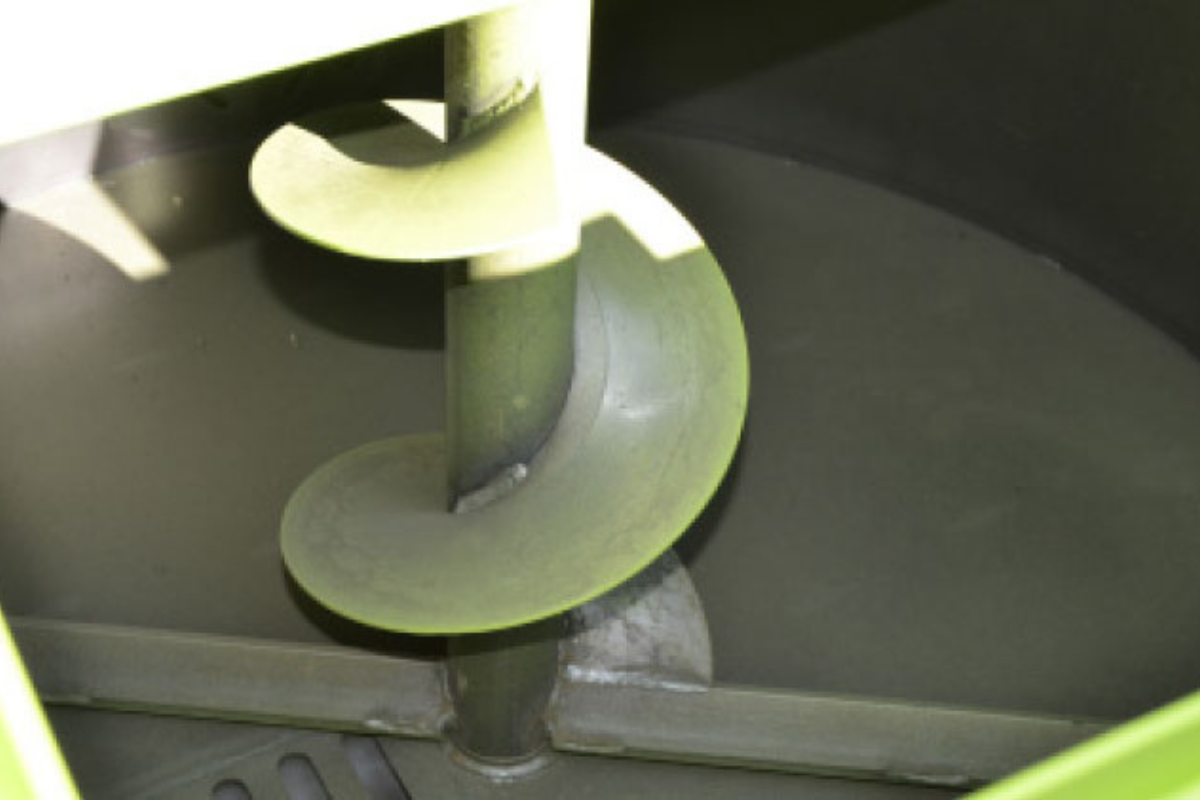
Hot-pour sealant ships as solid rubberized blocks. You load the blocks into a melter, often called a kettle or melter applicator, which heats the material to its recommended application range while an agitator keeps it uniform. The molten sealant is then pumped through a heated hose and wand, or gravity fed from a pour pot, directly into the routed or cleaned crack.
Equipment You Need for Hot-Pour
The melter is the heart of a hot-pour operation. Cimline M-Series melters come in a range of tank capacities so a small city crew and a large contractor can each size the machine to their workload (tank capacity options to verify before publishing). You will also want a crack cleaning method, either compressed air, a heat lance, or a router that widens the crack into a clean reservoir. Routing costs more time up front but gives the sealant a uniform channel to grip, which is a big reason routed and sealed cracks last longer.
Where Hot-Pour Shines
Hot-pour is the standard for streets, highways, airport pavement, and any surface that carries real traffic. The rubberized material stays flexible in cold weather and resists pickup by tires in hot weather. It bonds to the crack walls while molten, so it moves with the pavement as temperatures swing instead of cracking loose. On a properly prepared crack, hot-pour commonly delivers up three to eight years of service depending on your conditions.
How Cold-Pour Crack Sealant Works
Cold-pour sealant, sometimes called cold-applied crack filler, is usually an asphalt emulsion or polymer-modified liquid sold in jugs, pails, or drums. You clean the crack, pour the material in, squeegee it flush, and let it cure. No melter, no heated hose, no fuel for a burner.
Equipment You Need for Cold-Pour
Very little. A blower or compressed air to clean the crack, a pour pot or the jug itself, and a squeegee. That is the appeal. A two-person crew with a pickup truck can treat a parking lot in an afternoon with almost no capital cost.
Where Cold-Pour Makes Sense
Cold-pour fits small jobs, light-duty pavement, and situations where hauling a melter is not practical. Think HOA driveways, small parking lots, walking paths, and quick touch-ups late in the season. The tradeoff is service life. Emulsion-based products shrink as their water content evaporates, adhesion is weaker than a hot-applied bond, and most cold-pour repairs need to be redone in one to three years depending on your conditions.
Hot-Pour vs Cold-Pour: Side-by-Side Comparison
| Factor | Hot-Pour Sealant | Cold-Pour Sealant |
|---|---|---|
| Material cost per foot | Lower at volume | Higher per foot on big jobs |
| Equipment required | Melter applicator, cleaning gear | Squeegee, pour pot, blower |
| Typical service life | 3 to 8 years | 1 to 3 years |
| Cure time before traffic | Minutes once cooled | Hours, sometimes overnight |
| Cold weather flexibility | Excellent, stays elastic | Fair, can crack or shrink |
| Best applications | Streets, highways, large lots | Driveways, small lots, touch-ups |
| Crew and training | Trained crew, hot material safety | Minimal training |
Note the cure time difference. A hot-pour crack can often take traffic as soon as the material cools, which matters when you are sealing an arterial street at night and need lanes open by morning. Cold-pour products need their carrier water or solvent to evaporate, and cool or humid weather stretches that out.
Which Sealant Should You Choose?
- If you maintain public streets or roads with steady traffic, choose hot-pour. The longer service life and fast return to traffic pay for the equipment.
- If you seal more than a few thousand feet of cracks per year, choose hot-pour with a properly sized melter. Material cost per foot drops fast at volume.
- If you handle occasional small lots or driveways with a small crew, choose cold-pour. The low equipment cost fits the workload.
- If you are sealing in cold climates with hard freeze-thaw cycles, choose hot-pour rubberized sealant for its flexibility.
- If a crack is wider than about an inch or the pavement around it is failing, choose patching instead. Sealant is not a structural repair.
Application Tips That Make Either Sealant Last
Start With a Clean, Dry Crack
Adhesion failure is the number one reason seals fail early, and it almost always traces back to dust, moisture, or vegetation left in the crack. Blow the crack out with compressed air or use a heat lance to dry and warm the crack walls just before sealing.
Watch the Weather Window
Seal when pavement temperatures are moderate, typically spring and fall, so cracks are near the middle of their seasonal width range. Material applied to a fully open winter crack gets squeezed out in summer, and material applied to a closed summer crack gets stretched thin in winter.
Control the Band and Keep Crews Safe
Overbanding, the thin layer of sealant that spreads over the crack edges, should be kept neat and thin so snowplows and tires do not peel it up. With hot-pour, crews are handling material at very high temperatures, so gloves, face protection, and safe kettle practices are not optional. General guidance on protecting workers from hot material hazards is available from OSHA.
Frequently Asked Questions
Is hot-pour crack sealant worth the equipment cost?
For any operation sealing cracks regularly, yes. Hot-pour lasts two to three times longer than cold-pour and costs less per foot at volume. The melter pays for itself by cutting repeat work. For a one-time small job, renting equipment or hiring a contractor usually beats buying.
How long before traffic can drive on sealed cracks?
Hot-pour sealant can usually take traffic as soon as it cools, often within minutes, which is why it is preferred for streets. Cold-pour products need hours to cure and sometimes overnight in cool or humid conditions. Always follow the specific manufacturer cure guidance for the product you are using.
Can I use cold-pour sealant on a public road?
You can, but most agencies do not. Traffic loading and snowplow action tear up emulsion-based fillers quickly, so the repair often fails within a season or two. Agencies almost always specify hot-applied rubberized sealant for roadways because the service life difference is large and well documented.
What is the difference between crack sealing and crack filling?
Crack sealing uses rubberized material, often in a routed reservoir, on working cracks that open and close with temperature. Crack filling places a less flexible material in cracks that do not move much. Sealing costs more up front but lasts longer on active cracks, which most transverse cracks are.
When is the best time of year to seal cracks?
Spring and fall are ideal because cracks sit near the middle of their seasonal width range and pavement temperatures are moderate. Sealing in extreme heat or cold means the crack is at its narrowest or widest, which stresses the sealant as seasons change and shortens its life.
The Bottom Line
Hot-pour vs cold-pour crack sealant is really a question about your workload. Hot-pour rubberized sealant, applied with a proper melter, is the clear choice for streets, high-traffic lots, and any crew that seals cracks every year. It bonds better, flexes through temperature swings, takes traffic almost immediately, and lasts years longer. Cold-pour has a real place for small, low-traffic jobs where buying or hauling a melter makes no sense. Whichever material you choose, crack preparation and timing matter as much as the product. A clean, dry crack sealed in moderate weather will outlast a sloppy application every time.
Why Buy Crack Sealing Equipment From Haaker Equipment Company
Haaker Equipment Company is the authorized dealer for Cimline pavement maintenance equipment and Falcon asphalt repair equipment across California, Arizona, and Nevada. Our team can help you size a Cimline melter applicator to your annual crack sealing workload, pair it with a Falcon hot box or recycler for patching, and keep it all running with factory-trained technicians and a full parts inventory. Browse our full line of pavement maintenance and public works equipment, or request a demo or quote to see the equipment work on your pavement.
Call the branch nearest you: Los Angeles 909-598-2706, San Diego 619-569-1946, Colton 909-370-2100, Central Valley 559-220-8897, Northern California 510-514-0043, Nevada 702-639-0156, or Phoenix 602-266-8214. You can also reach us through our contact page and we will connect you with the right specialist.