The Growing Challenge Facing Municipal Fleets
Municipal fleet managers across the Western United States are under increasing pressure to do more with less. Cities and public works departments must balance aging equipment, rising fuel and maintenance costs, stricter emissions regulations, and growing public expectations for cleaner, quieter communities.
Traditional diesel-powered street sweepers, while proven and reliable, can present challenges related to fuel consumption, emissions compliance, and operating costs—especially in urban environments and air-quality-regulated regions like California, Nevada, and Arizona.
As a result, hybrid and electric street sweepers are rapidly reshaping how municipalities plan, operate, and modernize their sweeping fleets.
What Are Hybrid and Electric Street Sweepers?
Hybrid and electric street sweepers are designed to reduce fuel usage, emissions, and noise while maintaining the performance municipalities depend on.
Hybrid Street Sweepers
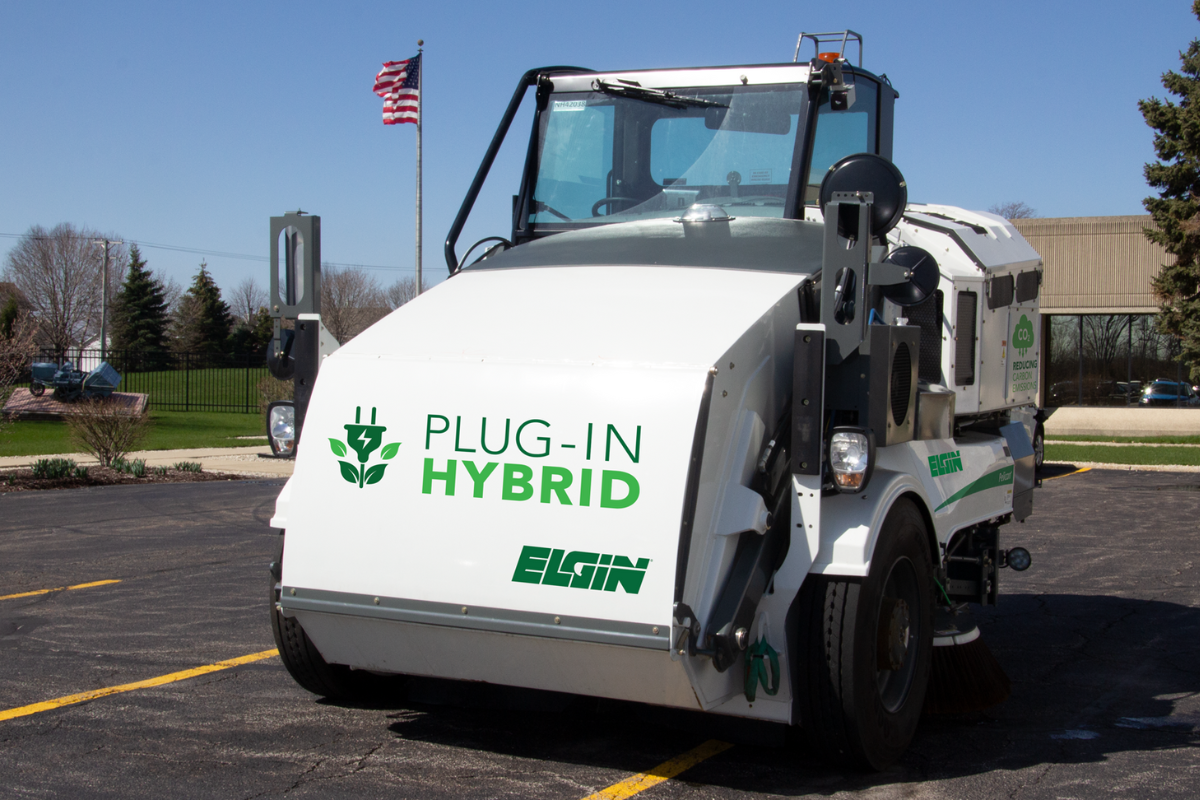
Hybrid sweepers combine a traditional engine with electric components that power sweeping functions or assist propulsion. These systems reduce engine load, lower fuel consumption, and improve overall efficiency without sacrificing range or performance.
Fully Electric Street Sweepers
Electric sweepers operate using battery-powered systems, eliminating engine emissions during operation. They are especially well suited for urban areas, downtown corridors, and noise-sensitive environments.
Both options represent a significant shift toward cleaner, more efficient municipal fleet operations.

Key Benefits of Hybrid and Electric Sweepers for Municipal Fleets
Reduced Emissions and Improved Compliance
Hybrid and electric sweepers help cities meet increasingly strict air quality and emissions regulations. In regions with PM10 and sustainability mandates, these machines support long-term environmental compliance goals.
Lower Fuel and Operating Costs
By reducing or eliminating diesel consumption during sweeping operations, municipalities can significantly lower fuel expenses and improve total cost of ownership over the life of the equipment.
Quieter Operation for Urban Environments
Electric sweeping systems operate at much lower noise levels, allowing cities to perform sweeping operations earlier in the morning or later at night with minimal disruption to residents and businesses.
Improved Efficiency and Performance
Advanced electric systems provide consistent power delivery, improved sweeping efficiency, and optimized energy use—resulting in cleaner streets with less wasted fuel.
Municipal Applications and Use Cases
Urban Street Sweeping
Hybrid and electric sweepers are ideal for dense city centers where noise reduction and emissions control are top priorities.
Residential Neighborhoods
Quiet operation allows municipalities to maintain residential areas without disturbing residents, improving public perception and service quality.
Sustainability and Climate Action Programs
Cities investing in sustainability initiatives use hybrid and electric sweepers to demonstrate leadership in reducing fleet emissions and transitioning to cleaner technologies.
Mixed Fleet Operations
Many municipalities deploy hybrid or electric sweepers alongside traditional equipment, creating a balanced fleet that maximizes flexibility and budget efficiency.
Regional Considerations in the Western U.S.
Municipal fleets in California, Nevada, and Arizona face unique operational challenges, including heat, dust, and regulatory requirements. Hybrid systems reduce engine strain in high-temperature conditions, while electric sweepers help cities comply with strict emissions standards in regulated air districts.
Selecting the right hybrid or electric sweeper requires understanding both local regulations and real-world operating conditions—an area where regional expertise matters.
Why Haaker Equipment Is the Preferred Partner for Alternative-Power Sweepers
Haaker Equipment has decades of experience supporting municipal fleets throughout the Western United States. We help cities evaluate, deploy, and support hybrid and electric street sweepers with confidence.
When you partner with Haaker Equipment, you benefit from:
Deep regional knowledge of California, Nevada, and Arizona fleet requirements
Expertise in hybrid and electric street sweeping technology
Full sales, parts, and service support throughout the equipment lifecycle
Long-term partnership focused on fleet reliability and ROI
Learn more about our Service Support and Parts Availability, or connect with our team through the Contact Page to discuss your fleet goals.
Frequently Asked Questions
Are hybrid street sweepers reliable for daily municipal use?
Yes. Hybrid sweepers are designed for full-duty municipal operations and offer the same reliability as traditional sweepers with added efficiency benefits.
Do electric street sweepers have enough runtime for city routes?
Many electric sweepers are well suited for urban and residential routes. Route length and charging infrastructure should be evaluated during equipment selection.
Are hybrid and electric sweepers more expensive?
Upfront costs may be higher, but reduced fuel, maintenance, and compliance costs often result in a lower total cost of ownership over time.
Can Haaker help municipalities transition to alternative-power sweepers?
Absolutely. Haaker Equipment helps cities evaluate applications, funding considerations, and long-term support requirements.
Do hybrid and electric sweepers require special maintenance?
Maintenance requirements differ slightly, but Haaker provides trained technicians and OEM parts support to keep fleets running efficiently.