Choosing the Right Street Sweeper Starts with Understanding the Differences
Street sweepers play a critical role in maintaining clean, safe, and compliant roadways, parking areas, and industrial sites. However, not all street sweepers are designed for the same applications. Municipalities, contractors, and industrial operators often face challenges when selecting equipment that matches their specific operational needs, environmental conditions, and budget constraints.
Choosing the wrong type of street sweeper can lead to:
Inefficient debris collection
Increased operating costs
Premature equipment wear
Missed environmental compliance goals
Understanding the different types of street sweepers and their best uses is the first step toward maximizing performance, return on investment, and long-term fleet reliability.
Overview: The Three Main Types of Street Sweepers
Modern street sweepers generally fall into three primary categories:
Mechanical Broom Sweepers
Regenerative Air Sweepers
Pure Vacuum Sweepers
Each type is engineered for specific debris profiles, surfaces, and operational priorities.
Mechanical Broom Street Sweepers
How Mechanical Sweepers Work
Mechanical broom sweepers use rotating gutter brooms and a main broom to move debris onto a conveyor system, which deposits material into a hopper. This design excels at handling heavier debris.
Key Benefits
Excellent at picking up gravel, sand, and bulky debris
Lower acquisition cost compared to other sweeper types
Proven, durable technology
Best Use Cases
Municipal street sweeping after construction or road work
Contractor cleanup on heavy debris sites
Industrial yards with coarse material buildup
Mechanical sweepers are often the preferred solution for municipalities managing road resurfacing projects and contractors working in high-debris environments.

Regenerative Air Street Sweepers
How Regenerative Air Sweepers Work
Regenerative air sweepers use a blast of air to lift debris from the pavement and then vacuum it into the hopper. The air is filtered and recirculated, reducing dust and emissions.
Key Benefits
Effective fine particulate collection
Reduced water usage compared to mechanical sweepers
Cleaner operation with improved dust control
Best Use Cases
Municipal street sweeping for routine maintenance
Urban environments with air quality concerns
Commercial parking lots and roadways
Regenerative air sweepers are widely used in California, Nevada, and Arizona due to their balance of performance and environmental compliance.
Pure Vacuum Street Sweepers
How Vacuum Sweepers Work
Vacuum sweepers rely entirely on high-powered suction to remove debris from the pavement. Unlike mechanical sweepers, they do not use brooms for debris transfer.
Key Benefits
Superior fine dust and particulate removal
Minimal surface contact, reducing pavement wear
Ideal for sensitive environments

Best Use Cases
Airport runways and taxiways
Industrial facilities with strict cleanliness requirements
Municipal areas focused on PM10 and PM2.5 compliance
Vacuum sweepers are often selected when environmental regulations and air quality standards are a top priority.
Matching Street Sweepers to Applications and Use Cases
Municipal Fleets
Cities and public works departments often operate a mixed fleet. Mechanical sweepers handle heavy debris, while regenerative air or vacuum sweepers maintain routine cleanliness and compliance with environmental standards.
Industrial Facilities
Manufacturing plants, distribution centers, and ports benefit from regenerative air or vacuum sweepers that control dust while maintaining clean operating surfaces.
Contractors and Utilities
Contractors value mechanical sweepers for construction cleanup and regenerative air sweepers for ongoing roadway maintenance contracts.
Regional factors such as heat, dust levels, and regulatory requirements in the Western U.S. play a major role in equipment selection.
Equipment Benefits Beyond Clean Streets
Choosing the right street sweeper delivers measurable operational advantages:
Improved route efficiency
Reduced fuel and water consumption
Lower maintenance costs
Extended equipment lifespan
Increased resale and trade-in value
The right equipment supports compliance, productivity, and long-term budget planning.
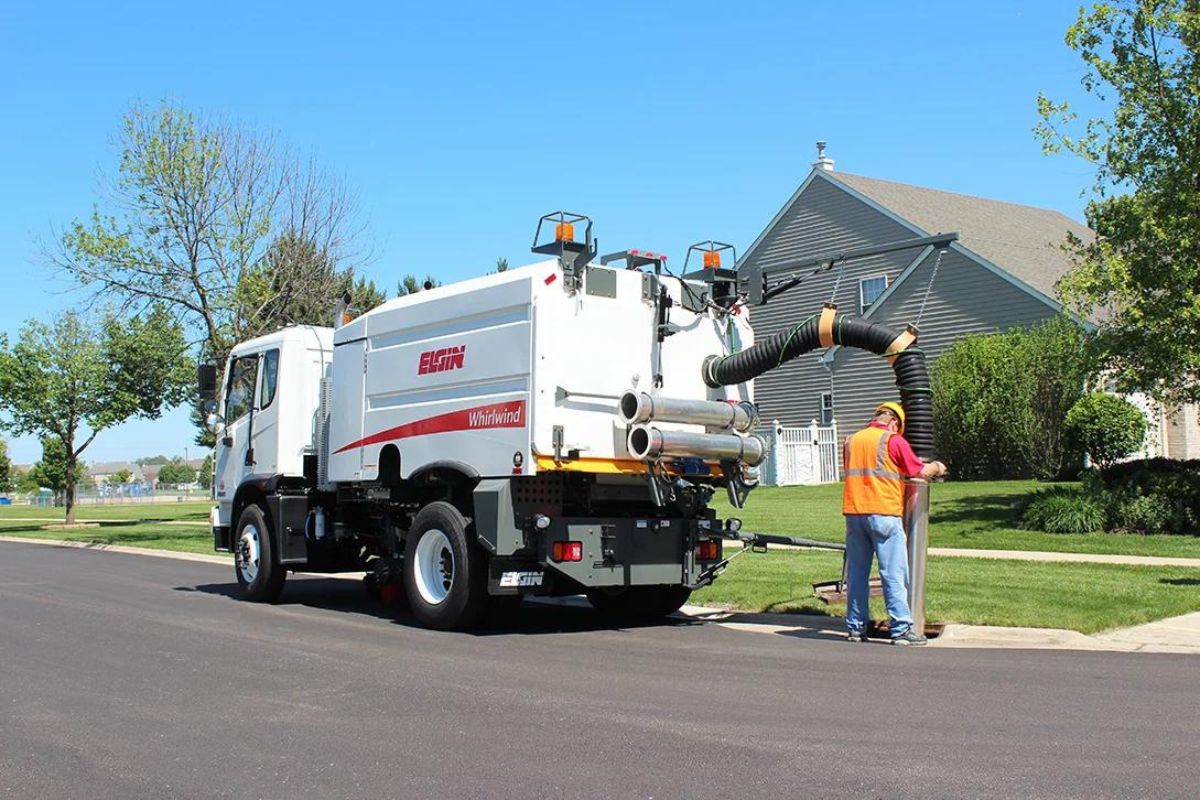
Why Haaker Equipment Is the Trusted Street Sweeper Partner
Haaker Equipment has decades of experience supporting municipal, industrial, and contractor fleets throughout California, Nevada, and Arizona. Our team understands regional operating conditions, environmental regulations, and real-world use cases.
When you work with Haaker, you gain:
Expert guidance in selecting the right sweeper type
Access to industry-leading street sweeper brands
Dedicated sweeper service support
OEM Elgin Sweeper parts availability
Long-term fleet partnership and support
To discuss your application or request a consultation, visit our Contact Page
Frequently Asked Questions
What is the best street sweeper for municipal use?
Most municipalities benefit from a combination of mechanical and regenerative air sweepers to handle both heavy debris and routine maintenance.
Which street sweeper is best for dust control?
Vacuum and regenerative air sweepers provide superior dust and fine particulate control.
Are mechanical sweepers still relevant?
Yes. Mechanical sweepers remain essential for construction cleanup and heavy debris removal.
How do I choose the right sweeper for my fleet?
Consider debris type, surface conditions, environmental regulations, and operating budget. Haaker Equipment can help assess these factors.
Does Haaker provide service and parts support?
Yes. Haaker offers full sales, parts, and service support across the Western U.S.