Street sweeping for stormwater compliance has become one of the most cost effective tools a city or agency has to meet its clean water obligations. Every rain event washes metals, sediment, oil, and trash from streets into storm drains and then into local creeks, rivers, and the ocean. A well run sweeping program removes that pollution at the curb before it ever reaches the drain, which is exactly what a municipal stormwater permit asks you to do. This guide explains how street sweeping fits into an MS4 stormwater program, which sweeper technology captures the finest and most harmful particles, and how to build a sweeping and recordkeeping routine that stands up to a permit audit.
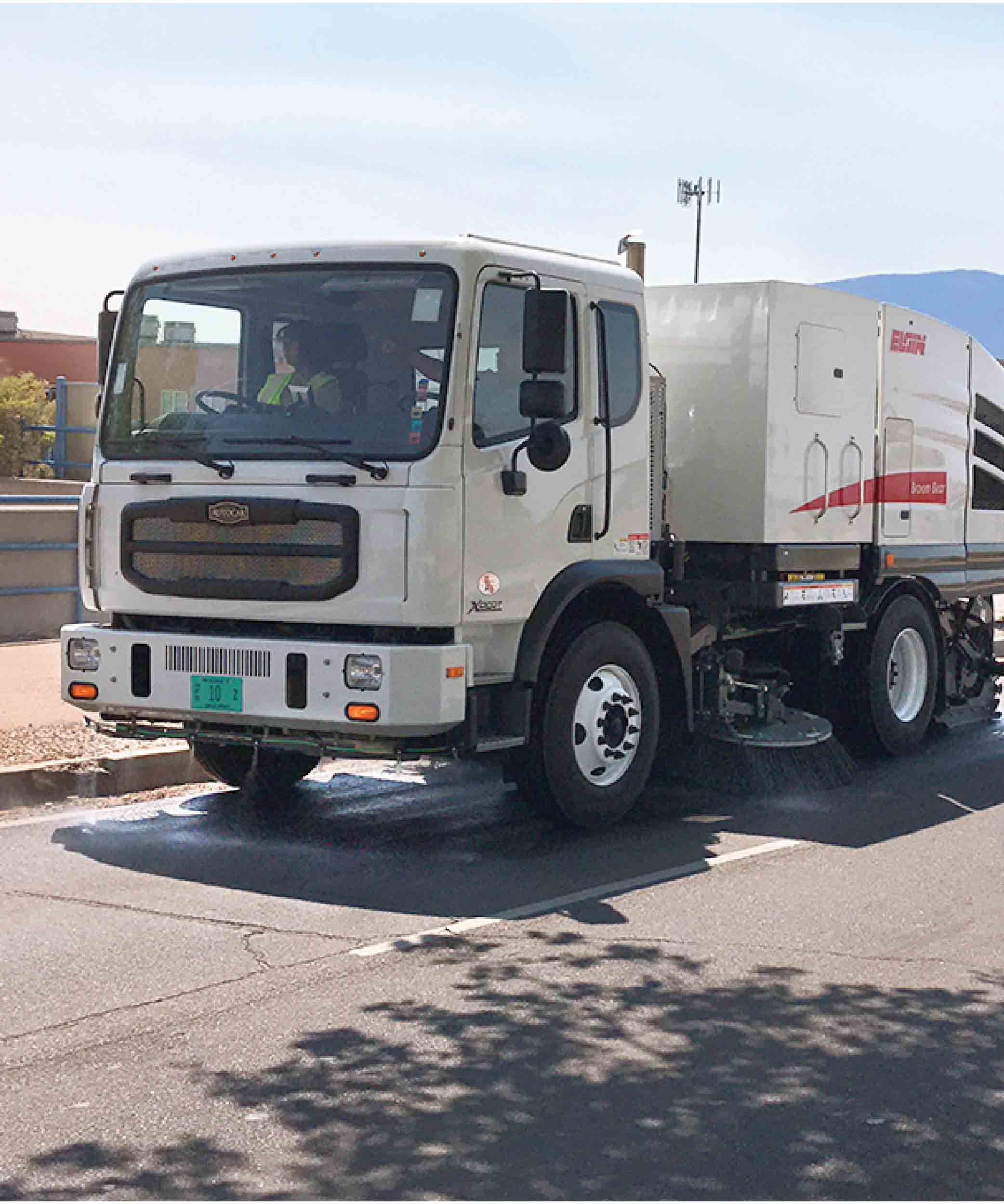
Street sweeping supports stormwater compliance by removing sediment, metals, and trash from roadways before rain carries them into storm drains. Under an MS4 permit, regular sweeping counts as a pollution control practice, and documented routes and volumes help agencies show measurable results.
How street sweeping supports stormwater compliance
Most municipalities operate under a Municipal Separate Storm Sewer System permit, known as an MS4 permit, issued under the federal Clean Water Act and administered through state water boards. The permit requires the agency to reduce pollutants carried in stormwater runoff to the maximum extent practicable. Street sweeping is one of the clearest ways to do that because it captures pollutants on dry days, before the next storm turns them into runoff.
What an MS4 permit expects
An MS4 permit asks agencies to put control practices in place, track their work, and show results. Sweeping fits all three. You can document route miles swept, tons of material collected, and sweeping frequency by land use. That paper trail is what an auditor wants to see, and it turns a routine operation into measurable permit credit. (Verify the exact requirements in your current permit, since MS4 terms vary by region and permit cycle.)
Sweeping as a pollution control practice
Regulators treat regular sweeping as a source control practice, meaning it stops pollution at the source rather than treating it after it enters the system. Compared with building and maintaining structural controls like catch basin inserts or detention basins, a sweeping program is often cheaper per pound of pollutant removed and it protects the drainage system from clogging at the same time.
Which pollutants street sweeping removes
Streets collect a predictable mix of pollutants that sweeping targets directly. Removing them at the curb keeps them out of the water and out of your storm drains.
- Sediment and fine dust, which carry many other pollutants bound to their surface.
- Heavy metals such as copper, zinc, and lead from brake wear, tires, and past deposits.
- Oil, grease, and hydrocarbons from vehicle drips.
- Nutrients from leaves and organic debris that feed algae in waterways.
- Trash, litter, and microplastics that foul creeks and shorelines.
The most important target is fine particulate, because the smallest particles carry the highest load of metals and nutrients relative to their size. That is where sweeper technology makes a real difference.
Sweeper technology and fine particle pickup
Not every sweeper captures the same material. The three main technologies pick up debris in different ways, and the gap shows up most on fine particles, which matter most for water quality.
Mechanical broom sweepers
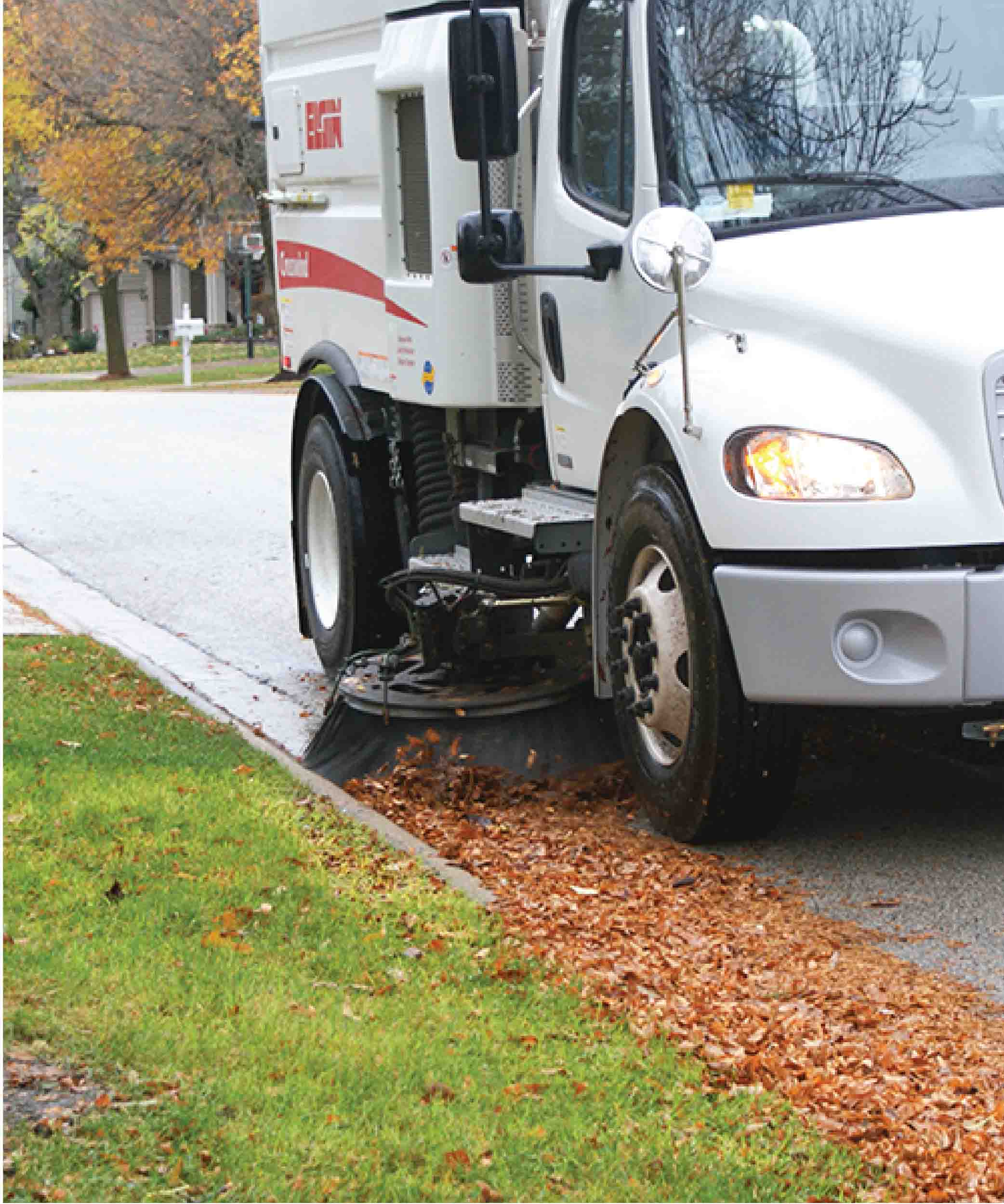
Mechanical broom sweepers use a rotating main broom to lift debris onto a conveyor. They excel at heavy, bulky material and construction debris, but they are less effective on the finest particles, which can escape the broom.
Regenerative air sweepers
Regenerative air sweepers blast air into a sealed pickup head and recirculate it, pulling fine material up with the airflow. They capture more fine particulate than a broom alone, which makes them a strong fit for water quality driven programs.
Pure vacuum sweepers
Pure vacuum sweepers use direct suction and are strong on fine material in the right conditions. Program managers often choose regenerative air or vacuum machines when the goal is measured pollutant reduction rather than only debris removal.
| Sweeper type | Best at | Fine particle pickup | Good fit for |
|---|---|---|---|
| Mechanical broom | Heavy, bulky debris | Lower | Construction, leaf, and post storm cleanup |
| Regenerative air | Fine particulate and dust | Higher | Water quality and air quality programs |
| Pure vacuum | Fine material and confined pickup | Higher | Targeted fine particle removal |
(Fine particle capture varies by machine, operating speed, and street condition. Verify performance figures against manufacturer data and any local certification before you rely on them for permit reporting.)
Building a compliant sweeping program
Set frequency by land use
Sweep high pollutant areas more often. Commercial corridors, industrial zones, and arterial roads collect more metals and sediment than quiet residential streets and usually justify weekly or more frequent sweeping. Match your calendar to the pollutant load, and increase frequency before the wet season and after storms.
Plan routes and parking
Parked cars are the biggest obstacle to curb line pickup, where most pollutants sit. Posted sweeping schedules and parking enforcement raise the share of curb actually swept, which raises the pollutants actually removed.
Document everything
Recordkeeping is where sweeping earns permit credit. Track route miles or curb miles swept, sweeping frequency by area, and tons of material collected and disposed. Many agencies use truck mounted GPS and logging to produce these reports automatically, which makes audits far easier.
How to match a sweeping program to your goals
- If water quality reporting drives your program, choose regenerative air or vacuum sweepers for fine particle capture.
- If you handle heavy debris and post storm cleanup, keep mechanical broom sweepers in the mix.
- If you operate in a California air district, confirm your sweeper meets local certified sweeper rules for dust control.
- If audits are a concern, invest in GPS route logging so your records write themselves.
- If budgets are tight, target sweeping frequency to the highest pollutant land uses first.
Frequently asked questions
Does street sweeping really improve water quality?
Yes. Regular sweeping removes sediment, metals, and trash from streets before rain washes them into storm drains. The benefit is largest when sweepers capture fine particulate and when curb lines are actually reached, so parking management and sweeper technology both matter.
How does sweeping count toward an MS4 permit?
Sweeping is recognized as a source control practice. Agencies document route miles swept, frequency by land use, and tons collected, then report that work as part of their stormwater program. Verify the specific credit method in your current permit and regional water board guidance.
What kind of sweeper is best for stormwater programs?
Regenerative air and vacuum sweepers generally capture more fine particulate than a broom alone, which is why water quality programs favor them. Many fleets run a mix, using broom machines for heavy debris and air or vacuum machines for fine particle removal.
How often should streets be swept for compliance?
Set frequency by pollutant load. High traffic commercial and industrial roads often need weekly or more frequent sweeping, while residential streets may need less. Increase frequency before the wet season and after storms to capture the most material.
The Bottom Line
Street sweeping is one of the most practical and affordable ways to meet stormwater obligations. It removes pollutants at the curb before they reach the drain, it protects the drainage system, and it produces the documented, measurable results an MS4 permit rewards. Choose sweeper technology that captures fine particulate, set frequency by pollutant load, and log your work so it holds up at audit. For federal program background, see the EPA MS4 stormwater program.
Why Buy Your Street Sweeper From Haaker Equipment Company
Haaker Equipment Company is the authorized Elgin street sweeper dealer for California, Arizona, and Nevada, with factory trained technicians, a full parts inventory, and service locations across the region. We help municipalities and contractors match sweeper technology to their stormwater and air quality goals, then keep those machines running with local parts and service. Explore our Elgin broom sweepers and Elgin air sweepers, or request a demo or quote.
Call your nearest Haaker branch: Los Angeles 909-598-2706, San Diego 619-569-1946, Colton 909-370-2100, Central Valley 559-220-8897, Northern California 510-514-0043, Nevada 702-639-0156, and Phoenix 602-266-8214. You can also reach us through our contact page.